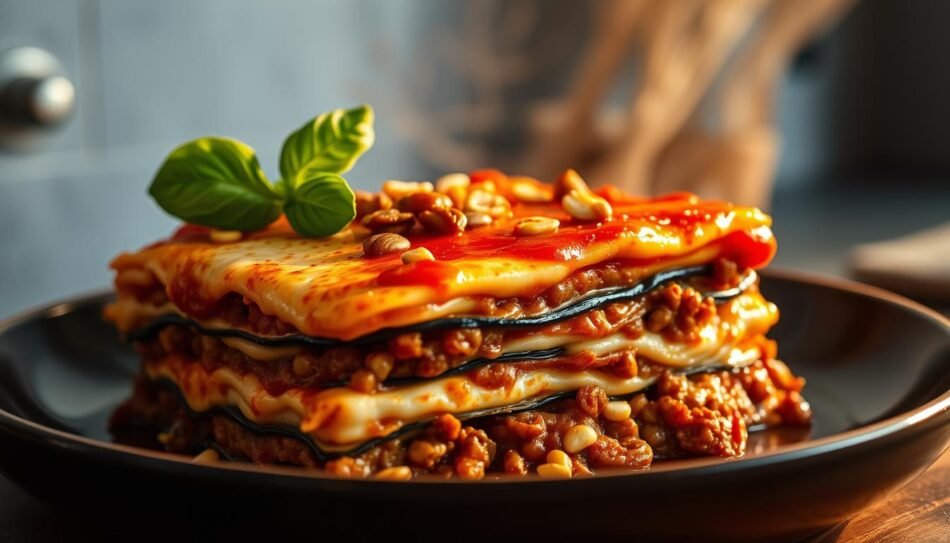

Discover how to make the perfect vegan lasagna with layers of dairy-free ricotta, savory vegetables, and rich tomato sauce. A plant-based twist on the Italian classic.
Every time I walked into my grandmother’s kitchen, the smell of lasagna would take me to a cozy place. Years later, I found vegan lasagna. It started a new food adventure that changed my view of Italian cooking.
Vegan lasagna is more than a meal. It’s a tasty change in how we see classic dishes. It turns old ingredients into a lively, kind meal that pleases our taste and our values.
Starting your vegan lasagna journey is a fun trip of taste, creativity, and new food ideas. Whether you’re a vegan or just want to try something new, this dish will amaze and motivate you.
Key Takeaways
- Vegan lasagna offers a delicious alternative to traditional meat-based recipes
- Plant-based ingredients can create rich, complex flavors
- Compassionate cooking doesn’t mean sacrificing taste
- Versatile dish suitable for various dietary preferences
- Nutritious and environmentally friendly meal option
Understanding Plant-Based Italian Comfort Food
Italian food is getting a tasty makeover with plant-based cooking. Your go-to meatless Italian dish can still pack rich flavors and cozy textures. The dairy-free lasagna scene is growing, offering new tastes for everyone.
Plant-based Italian dishes are more than a trend. They show a new way to cook that’s both tasty and healthy. Chefs and home cooks are making old favorites into exciting, nutritious meals.
Traditional vs. Vegan Lasagna Components
Traditional and vegan lasagna differ in what they use. Classic lasagna has meat and dairy, while vegan versions use creative alternatives:
- Plant-based protein sources like lentils and tofu
- Cashew or almond-based cheese replacements
- Nutritional yeast for cheesy flavor
- Vegetable-rich layers for depth and texture
Benefits of Going Meatless with Lasagna
Choosing dairy-free lasagna has many benefits. It’s better for the planet, can lower cholesterol, and opens up new cooking techniques. These meatless Italian recipes can be just as satisfying as the traditional ones.
The Rise of Plant-Based Italian Cuisine
Italian cuisine is welcoming plant-based cooking with open arms. Restaurants and home cooks are inventing new ways to make classic dishes. Now, your plate can have authentic flavors without losing taste or cultural value.
Essential Ingredients for Vegan Lasagna
Making a tasty vegan lasagna begins with picking the right ingredients. It’s important to choose each part carefully. This ensures a delicious meal that everyone will enjoy.
When making a vegetable lasagna, the ingredients you pick are key. Look for high-quality, tasty alternatives. They will make your dish stand out.
Plant-Based Cheese Alternatives
Vegan lasagna needs creative cheese substitutes. These should taste like real cheese. Here are some options:
- Cashew-based ricotta
- Store-bought almond cheese
- Nutritional yeast-based cheese sauce
- Tofu-based mozzarella
Vegetable Selection and Preparation
The core of a vegetable lasagna is its vegetable mix. Pick veggies that roast well and taste great:
- Zucchini
- Eggplant
- Spinach
- Mushrooms
- Bell peppers
Pro tip: Roast or sauté veggies before layering. This makes them sweeter and drier.
Noodle Options and Considerations
The noodles you choose are crucial for your lasagna’s structure. Today, there are many options beyond wheat pasta:
- Whole wheat lasagna sheets
- Gluten-free rice noodles
- Zucchini lasagna sheets
- Chickpea pasta
By picking your ingredients wisely, you’ll make a vegan lasagna that’s truly special. It won’t just be a vegan version of traditional lasagna. It will be a dish that shines on its own.
Creating the Perfect Dairy-Free Ricotta
Making a tasty dairy-free ricotta is key for a great vegan lasagna. Your dish needs a creamy, tasty substitute that’s vegan. It should feel like the real thing but without dairy.
The secret to great dairy-free ricotta is choosing the right ingredients. You have three main options:
- Silken tofu
- Raw cashews
- Combination of nuts and seeds
For a smooth, tangy ricotta, blend silken tofu with nutritional yeast, garlic powder, and lemon juice. This mix gives your lasagna a creamy, tangy taste just like the real thing.
Here are some tips to make your pasta dish even better:
- Drain tofu well to get rid of extra water
- Blend it in a food processor for a silky texture
- Add lots of herbs like basil and nutritional yeast
Pro tip: Let your dairy-free ricotta sit for 30 minutes before using. This lets the flavors mix well.
The goal is to create a ricotta that’s so delicious, even dairy lovers will be impressed!
Mastering the Vegetable Filling Combination
To make the perfect vegetable lasagna, pick your ingredients wisely. A great meatless Italian recipe needs a filling that’s both robust and flavorful. This turns the dish into a true masterpiece.
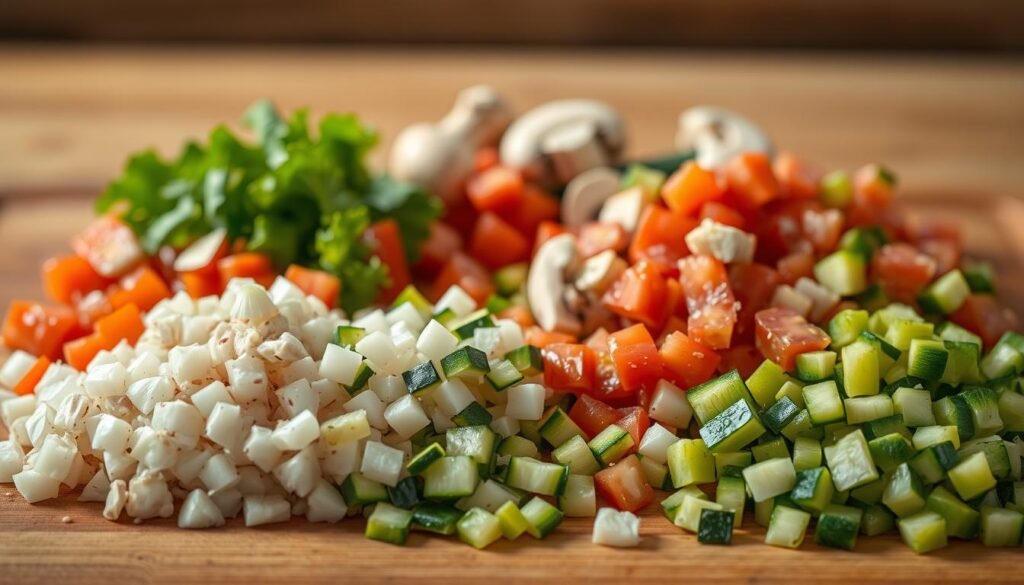
Start with the right mix of vegetables and seasonings for a top-notch lasagna. Fresh, seasonal produce makes all the difference.
Mushroom and Spinach Base
A classic lasagna starts with mushrooms and spinach. They add a deep, earthy taste and a meaty texture. This makes the dish feel hearty, just like traditional meat-based recipes.
- Select cremini or portobello mushrooms for intense umami flavor
- Use fresh spinach for vibrant color and nutritional boost
- Sauté vegetables to concentrate their natural flavors
Seasonal Vegetable Additions
Use your lasagna as a canvas for seasonal produce. Each season brings new ingredients to try.
- Spring: Asparagus, artichokes, spring onions
- Summer: Zucchini, eggplant, bell peppers
- Autumn: Butternut squash, kale, roasted root vegetables
- Winter: Hearty greens, roasted Brussels sprouts
Herb and Seasoning Guide
Herbs and spices make a simple lasagna unforgettable. Fresh herbs add brightness and depth to the flavors.
“The right herbs can turn a good dish into an unforgettable meal.” – Professional Chef
- Fresh basil for classic Italian flavor
- Thyme to complement mushroom base
- Oregano for traditional Italian seasoning
- Nutritional yeast for cheesy undertone
With careful veggie selection and preparation, your lasagna will please both vegetarians and meat-eaters.
Vegan Lasagna Sauce Fundamentals
Making the perfect sauce is key for a great vegan lasagna. A good sauce brings all the flavors together. It should be rich, creamy, and full of taste.
There are two main sauce types for vegan lasagna:
- Classic Tomato-Based Sauce: A traditional red sauce with herbs and depth
- Creamy White Sauce: Made from plant-based milk and nutritional yeast
Tomato-based sauces have a classic Italian taste. Use ripe tomatoes, garlic, fresh basil, and olive oil. For a white sauce, mix cashews, plant milk, and nutritional yeast for a creamy base.
“The secret to an amazing vegan lasagna is a sauce that tells a story of flavor and creativity.”
Here are some tips for making your sauce:
- Blend fresh herbs for intense flavor
- Try roasted vegetables for added depth
- Use nutritional yeast for a cheesy taste
- Season well to make up for no meat
Your sauce should coat the noodles well but not be too thick. Aim for a sauce that makes your lasagna pop with flavor.
Layer-by-Layer Assembly Techniques
Making the perfect dairy-free lasagna needs precision and care. The success of your vegan lasagna depends on how well you layer each part. This process turns simple ingredients into a delicious, complete dish.
Building the Perfect Stack
Here’s how to start your vegan lasagna:
- Start with a thin sauce base to prevent sticking
- Make sure all ingredients are at room temperature for even mixing
- Choose noodles that go well with your dairy-free filling
Professional Stability Tips
To keep your dairy-free lasagna stable, layer carefully. Spread ingredients evenly and don’t overload any layer. You want layers that are balanced and hold together when served.
| Layer | Recommended Thickness | Key Considerations |
|---|---|---|
| Sauce | 1/4 inch | Prevents dry noodles |
| Vegetable Filling | 1/2 inch | Ensures rich flavor |
| Vegan Cheese | Thin coverage | Distributes evenly |
For a stable vegan lasagna, aim for 3-4 layers. Press down gently between layers to remove air pockets. This helps your lasagna stay solid from start to finish.
Baking Methods and Timing
Getting your meatless Italian recipe just right means mastering vegetable lasagna baking. The right technique ensures your dish is perfectly cooked. It should have layers of flavor and a golden-brown top.
The oven temperature is key for a tasty vegetable lasagna. Preheat it to 375°F (190°C). This temperature cooks the layers well without burning the top.
- Cover the lasagna with aluminum foil for the first 30 minutes
- Remove foil for the final 15-20 minutes to achieve a crispy top
- Total baking time: approximately 45-50 minutes
Knowing when your lasagna is done is crucial. Look for these signs:
- Bubbling edges mean the sauce is hot and ready
- Golden-brown cheese or top layer
- Internal temperature reaches 165°F (74°C)
| Baking Stage | Temperature | Time | Purpose |
|---|---|---|---|
| Covered Baking | 375°F | 30 minutes | Prevent drying, even cooking |
| Uncovered Baking | 375°F | 15-20 minutes | Create crispy top, brown edges |
Pro tip: Let your vegetable lasagna rest for 10-15 minutes after baking. This allows the layers to set and makes serving much easier.
Storage and Reheating Guidelines
Keeping your plant-based pasta dish tasty and fresh is key. A well-stored vegan lasagna can stay delicious for days. Just follow the right steps.
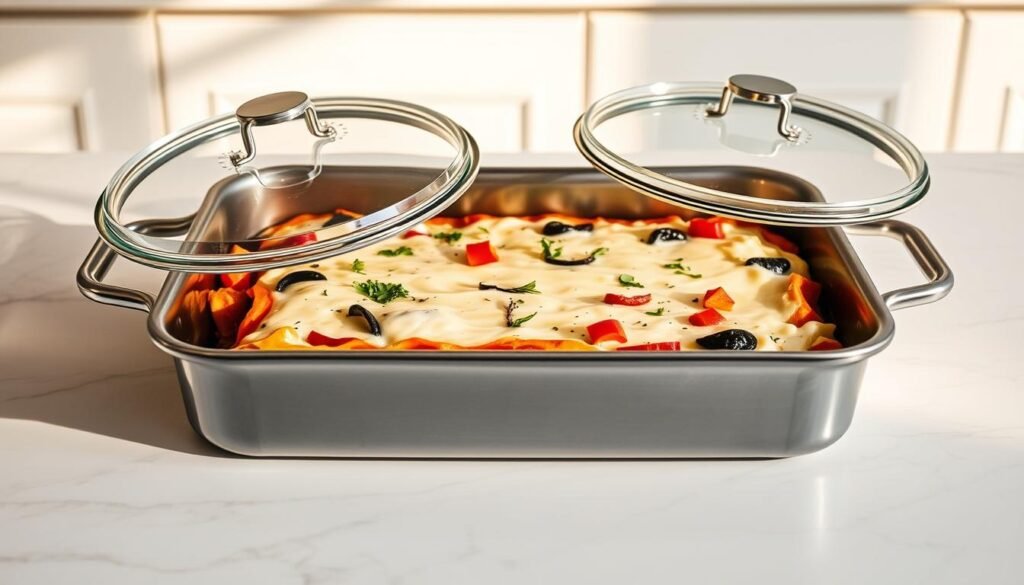
Storing your vegan lasagna right is important. It helps keep the dish moist and the flavors strong.
Refrigeration Strategies
- Cool the vegan lasagna completely before storing
- Use airtight containers with tight-fitting lids
- Store in the refrigerator for up to 4-5 days
- Cover with aluminum foil to prevent drying out
Freezing Instructions
Freezing your plant-based pasta dish makes meal prep easy. It’s great for keeping food fresh for a long time.
| Storage Method | Duration | Recommended Technique |
|---|---|---|
| Refrigerator Storage | 3-5 days | Airtight container |
| Freezer Storage | 2-3 months | Wrap tightly in plastic wrap and aluminum foil |
Reheating Techniques
Reheating your vegan lasagna needs care. You want to keep its texture and taste just right.
- Thaw frozen lasagna in the refrigerator overnight
- Preheat oven to 350°F (175°C)
- Cover with foil to prevent excessive drying
- Heat for 20-25 minutes until thoroughly warm
- Let rest for 5 minutes before serving
By sticking to these tips, your vegan lasagna will stay as tasty as when you first made it.
Conclusion
Vegan lasagna is a new way to enjoy Italian food. It’s a journey into a world of plant-based cooking. This guide shows how to make dairy-free lasagna just as tasty as the traditional kind.
Choosing plant-based cooking is more than just a diet. It’s about trying new ways to cook with fresh veggies, different proteins, and spices. Using cashew ricotta, fresh veggies, and homemade sauce can make a simple dish special.
Vegan lasagna is very flexible. You can change each layer to fit your taste and what’s in season. It’s great for vegans or anyone wanting to eat less meat. This recipe is a tasty way to eat better and be kinder to the planet.
Cooking is always learning and trying new things. Your vegan lasagna can impress everyone. Start trying new things, trust your taste, and enjoy making amazing vegan dishes.