
Simple Cake Recipe | How to Bake Cake at Home
There’s a common belief that baking a cake from scratch is complicated, time-consuming, and best left to professional bakers. In reality, a simple cake recipe is one of the most forgiving and rewarding things you can make in your own kitchen. With a handful of pantry staples, basic tools, and about an hour of your time, you can bake a soft, golden, delicious cake that beats anything from a box mix. This guide walks you through everything you need to know to bake cake at home, from ingredients and equipment to step-by-step instructions, troubleshooting, and creative variations.
Why a Simple Cake Recipe Is Perfect for Beginners
If you’ve never baked a cake before, starting with a simple cake recipe is the best decision you can make. Complicated recipes with multiple components, specialty ingredients, and advanced techniques can turn a fun project into a stressful one. A simple recipe, on the other hand, builds your confidence and teaches you the fundamentals that apply to every cake you’ll ever bake: how to measure accurately, how to mix batter properly, and how to tell when a cake is done.
Another big advantage is cost and convenience. Most of the ingredients in a simple cake recipe are things you probably already have at home. There’s no need for a special trip to the store, and no need for expensive equipment. A homemade cake is also far more flexible than a store-bought one. You control the sweetness, the flavor, the size, and the decoration, and you know exactly what goes into it.
Finally, baking a cake at home is simply satisfying. The smell of vanilla and butter filling your kitchen, the sight of a golden cake rising in the oven, and the first warm slice are experiences that make the effort worthwhile every single time.
Ingredients for a Simple Cake Recipe
The beauty of this simple cake recipe is its short ingredient list. Here’s what you’ll need to make one 9-inch (23 cm) round cake:
- 2 cups (250 g) all-purpose flour: the structure of your cake
- 1 cup (200 g) granulated sugar: for sweetness and a tender crumb
- ½ cup (115 g) unsalted butter, softened: for richness and flavor
- 3 large eggs, at room temperature: for structure, moisture, and lift
- ¾ cup (180 ml) whole milk, at room temperature: for a soft, moist texture
- 2 teaspoons baking powder: the leavening agent that makes the cake rise
- 2 teaspoons vanilla extract: for classic cake flavor
- ½ teaspoon salt: to balance the sweetness and bring out flavor
A quick note on temperature: using room-temperature eggs, milk, and butter is one of the easiest ways to improve your results. Cold ingredients don’t blend smoothly, which can lead to a dense or uneven cake. If you forget to take them out ahead of time, place the eggs in a bowl of warm water for five minutes and microwave the milk for 10 to 15 seconds.
Tools You Need for a Simple Cake Recipe at Home
You don’t need a professional kitchen to follow a simple cake recipe. Here’s the basic equipment that gets the job done:
- Two mixing bowls (one large, one medium)
- A whisk and a rubber spatula
- A hand mixer or stand mixer (a wooden spoon works too, with a bit more effort)
- Measuring cups and spoons (or a kitchen scale for even better accuracy)
- A 9-inch round cake pan
- Parchment paper
- A wire cooling rack
- A toothpick or skewer for testing doneness
If you don’t have a cake pan, a square baking dish or even a loaf pan can work with small adjustments to the baking time. Just keep a close eye on the cake as it bakes.
How to Make a Simple Cake Recipe Step by Step
Now for the fun part. Follow these three straightforward stages and you’ll have a beautiful homemade cake in about an hour, including baking time.
Step 1: Prepare the Batter for Your Simple Cake Recipe
Start by preheating your oven to 350°F (175°C). Grease your cake pan with butter, then line the bottom with a circle of parchment paper. This simple step guarantees your cake will release cleanly after baking.
In a medium bowl, whisk together the flour, baking powder, and salt. Set this aside. Whisking the dry ingredients together ensures the baking powder is evenly distributed, which helps the cake rise uniformly.
In your large bowl, beat the softened butter and sugar together for about three minutes, until the mixture is pale, light, and fluffy. This step, known as creaming, whips tiny air bubbles into the batter and is the secret to a tender crumb. Don’t rush it.
Add the eggs one at a time, mixing well after each addition. Then stir in the vanilla extract.
Now add the dry ingredients in three parts, alternating with the milk. Start with a third of the flour mixture, then half of the milk, another third of flour, the remaining milk, and finish with the last of the flour. Mix on low speed, or fold gently by hand, until just combined. The batter should look smooth and thick but pourable.
Step 2: Bake Your Simple Cake Recipe
Pour the batter into your prepared pan and smooth the top with a spatula. Tap the pan gently on the counter a couple of times to release any large air bubbles.
Bake in the center of the preheated oven for 30 to 35 minutes. Resist the urge to open the oven door during the first 25 minutes, since the sudden drop in temperature can cause the cake to sink in the middle.
To check doneness, insert a toothpick into the center of the cake. If it comes out clean or with a few dry crumbs clinging to it, your cake is ready. If it comes out with wet batter, bake for another 3 to 5 minutes and test again. The top should be golden brown and spring back lightly when pressed gently with a fingertip.
Step 3: Cool and Decorate Your Simple Cake Recipe
Once baked, let the cake rest in the pan for about 10 minutes. This short rest allows the cake to firm up so it won’t break when you remove it. Run a thin knife around the edge, flip the pan onto a wire rack, peel off the parchment paper, and let the cake cool completely, which takes about an hour.
Patience matters here. Decorating a warm cake causes frosting to melt and slide right off. Once your cake is fully cool, you have plenty of easy decorating options:
- Powdered sugar dusting: the simplest finish, which looks elegant with zero effort
- Simple vanilla glaze: whisk 1 cup powdered sugar with 2 to 3 tablespoons of milk and a splash of vanilla, then drizzle over the top
- Classic buttercream: beat ½ cup softened butter with 2 cups powdered sugar, 1 to 2 tablespoons of milk, and a teaspoon of vanilla until fluffy
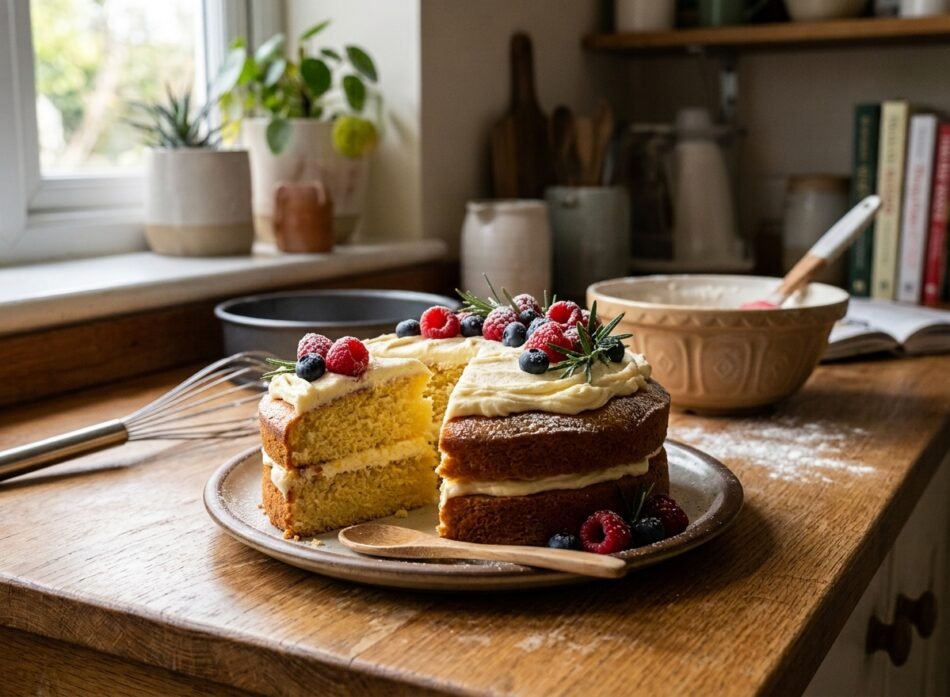
- Fresh fruit: top with berries or sliced strawberries for color and freshness
No piping bags or special skills required. A swipe of frosting with the back of a spoon gives your cake a charming, rustic look.
Tips for a Perfect Simple Cake Recipe Every Time
Even the easiest recipe benefits from a few smart habits. These tips will help you get consistent, bakery-quality results whenever you bake cake at home.
Measure your ingredients accurately. Baking is a science, and small measurement errors can change the outcome. When measuring flour, spoon it into the measuring cup and level it off with a knife instead of scooping directly from the bag, which packs in too much flour and leads to a dry cake. A kitchen scale is even better for precision.
Use room-temperature ingredients. Butter, eggs, and milk at room temperature combine more evenly, creating a smoother batter and a more uniform texture.
Don’t overmix the batter. Once you add the flour, mix only until you can no longer see dry streaks. Overmixing develops gluten, which makes the cake tough and chewy instead of soft and tender.
Don’t open the oven early. Wait until at least three-quarters of the baking time has passed before checking on your cake.
Know your oven. Ovens can run hotter or cooler than their settings suggest. An inexpensive oven thermometer can help you bake more accurately and avoid surprises.
Cool completely before frosting. This single habit separates neat, professional-looking cakes from messy ones.
Common Mistakes to Avoid in a Simple Cake Recipe
Even experienced bakers slip up occasionally. Here are the most common mistakes and how to avoid them:
- Using expired baking powder. If your cake doesn’t rise properly, old baking powder is often the culprit. Check the date, or test it by stirring a teaspoon into hot water. It should fizz vigorously.
- Skipping the creaming step. Rushing through the butter and sugar means less air in the batter, which results in a denser cake.
- Overbaking. A cake baked even five minutes too long can turn dry. Start checking for doneness at the early end of the baking window.
- Wrong pan size. Using a pan that’s too small causes overflow, while one that’s too large produces a flat, dry cake. Stick to the recommended size.
- Frosting a warm cake. As mentioned, heat melts frosting. Always let your cake cool completely first.
Simple Cake Recipe Variations
Once you’ve mastered the basic version, this simple cake recipe becomes a canvas for endless creativity. Here are a few easy variations to try:
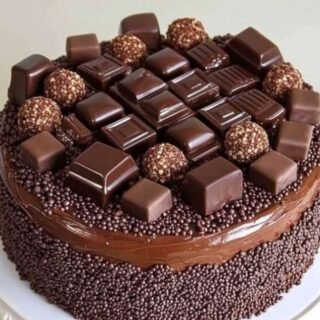
Chocolate cake. Replace ½ cup (60 g) of the flour with ½ cup unsweetened cocoa powder, and add an extra tablespoon of milk to keep the batter smooth. Top with chocolate buttercream or a rich chocolate glaze.
Lemon cake. Add the zest of two lemons to the sugar and rub them together with your fingertips before creaming with the butter. Replace 2 tablespoons of the milk with fresh lemon juice, and finish with a lemon glaze made from powdered sugar and lemon juice.
Vanilla-berry cake. Gently fold 1 cup of fresh or frozen blueberries or raspberries into the finished batter. Toss the berries in a tablespoon of flour first to keep them from sinking to the bottom. Serve with whipped cream for a fresh, summery dessert.
Cinnamon cake. Add 1½ teaspoons of ground cinnamon to the dry ingredients and finish with a cinnamon-sugar sprinkle on top before baking for a cozy, coffee-friendly cake.
These small tweaks let you turn one reliable simple cake recipe into a whole collection of flavors, perfect for birthdays, weekend treats, or any day you feel like baking.
Frequently Asked Questions About Simple Cake Recipe
How long do you bake a simple cake recipe?
For a 9-inch round cake at 350°F (175°C), bake for 30 to 35 minutes. Baking time can vary depending on your oven, pan material, and altitude, so always test with a toothpick. If it comes out clean, the cake is ready. Smaller or thinner cakes bake faster, while deeper pans need a few extra minutes.
How do you keep a homemade cake moist?
Moisture comes down to a few key habits: measure your flour carefully, avoid overbaking, and don’t overmix the batter. You can also boost moisture by replacing the milk with buttermilk or adding a few tablespoons of sour cream or plain yogurt. Once baked, store the cake in an airtight container so it doesn’t dry out.
Can I make a simple cake recipe without eggs or butter?
Yes. For an egg-free version, you can substitute each egg with ¼ cup of unsweetened applesauce or plain yogurt, or use a flax egg (1 tablespoon ground flaxseed mixed with 3 tablespoons water). For a butter-free version, replace the butter with an equal amount of neutral vegetable oil or melted coconut oil. The texture will be slightly different, often even moister, but still delicious.
Final Thoughts on Baking a Simple Cake Recipe
Baking a cake at home doesn’t need to be intimidating. With a simple cake recipe, a few basic ingredients, and a little attention to technique, you can create a soft, flavorful cake that impresses family and friends, and best of all, you’ll have made it yourself.
Start with the classic vanilla version, get comfortable with the process, and then explore the variations to find your favorite. Try a new flavor each season, experiment with different frostings, and make baking a regular part of your routine. After all, you don’t need a special occasion to enjoy a slice of homemade cake. Any day is a good day to bake.