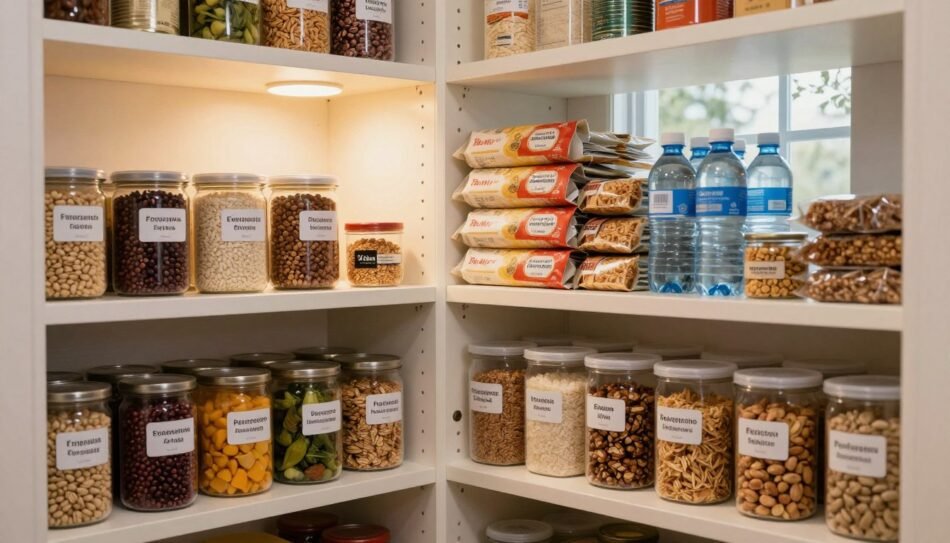

Discover the best emergency food to stock at home to ensure you stay safe and nourished during any crisis or unexpected situation.
Imagine a moment when the unexpected happens. The power goes out, or a natural disaster hits. Your mind races, and your heart pounds. You want to keep your loved ones safe and fed.
Preparing for these events is not just wise; it’s essential. The right emergency food can make a big difference. By preparing now, you can keep your family healthy during hard times.
FEMA says every household should have a two-week food supply. This guide will show you how to build your emergency food stockpile. With the right prep, you can face any crisis with confidence, knowing you have what you need for your family.
Best Emergency Food to Stock at Home for Any Crisis
Key Takeaways
- Understanding your family’s nutritional needs is vital.
- Focus on non-perishable food items for long-term storage.
- Organize your emergency food supply for easy access.
- Incorporate shelf-stable foods into daily meals.
- Regularly update and rotate your food inventory.
Assessing Your Household Nutritional Needs
It’s key to know your family’s nutritional needs for emergency planning. You need to think about daily calories and any special diets. This keeps everyone healthy and safe in tough times.
Calculating Daily Caloric Requirements
First, figure out how many calories your family needs each day. The USDA says to have 1 gallon of water per person daily. Water is essential for digestion and health. Here’s a simple guide to estimate calories:
- Children (ages 2-8): 1,000 – 2,000 calories
- Teenagers (ages 9-18): 1,600 – 3,200 calories
- Adults (ages 19-50): 1,800 – 2,400 calories
- Older Adults (ages 51+): 1,600 – 2,200 calories
Accounting for Dietary Restrictions and Allergies
It’s important to consider any special diets in your home. Common allergies include:
- Gluten sensitivities
- Nut allergies
- Dairy intolerances
- Shellfish allergies
Planning ahead helps avoid nutritional gaps. This way, everyone in your family can have safe, fitting food during emergencies.
| Age Group | Caloric Needs (Calories) | Water Needs (Gallons) |
|---|---|---|
| Children (2-8) | 1,000 – 2,000 | 1 |
| Teenagers (9-18) | 1,600 – 3,200 | 1 |
| Adults (19-50) | 1,800 – 2,400 | 1 |
| Older Adults (51+) | 1,600 – 2,200 | 1 |
Best Emergency Food to Stock at Home
Choosing the right emergency food for your home is important. Look for items that last long, are nutritious, and simple to make. In a crisis, you might not have access to water or heat. So, pick foods that are easy to prepare to keep your energy up.
Here are some categories to consider for your emergency food supply:
- Canned Goods: These are versatile and require no cooking. Look for options like beans, vegetables, and fruits.
- Grains: Stock up on rice, oats, and pasta. They provide essential carbohydrates and have a long shelf life.
- Proteins: Include canned meats, peanut butter, and lentils. These items are important for muscle repair and energy.
- Dehydrated Foods: Freeze-dried meals are lightweight and easy to store. They often just need water to prepare.
- Snack Foods: Granola bars and trail mix can provide quick energy and are easy to grab on the go.
When building your emergency food stockpile, aim for a mix of these categories. This ensures you have a balanced supply that can sustain your household during any crisis. Remember, the best emergency food to stock at home should meet your family’s specific needs and preferences.
Essential Non-Perishable Food Items for Your Pantry
Having a well-stocked pantry is key for any home. When it’s hard to get fresh food, non-perishable items keep your diet balanced. Choose foods that are full of nutrients and give you energy. This part talks about the best proteins, legumes, grains, and carbs.
Prioritizing Proteins and Legumes
Proteins are important for keeping muscles strong and healthy. Here are some top picks:
- Canned tuna
- Dried beans
- Lentils
- Peanut butter
These pantry staples are simple to store and cook. They’re perfect for any emergency.
Selecting Nutrient Dense Grains and Carbohydrates
Grains and carbs give you lasting energy. Add these to your pantry:
- Brown rice
- Quinoa
- Oats
- Pasta
Selecting High Quality Long-Term Food Storage Options
Choosing the right long-term food storage options is key to keeping your food fresh. Quality containers protect your food from moisture, pests, and temperature changes. This way, your food stays safe and nutritious when you need it most.
When picking containers, think about these:
- Food-grade buckets with oxygen absorbers are great for dry goods.
- Mylar bags offer an airtight seal for smaller portions.
- Glass jars are perfect for seeing what’s inside and can be reused.
- Sealable plastic containers are light and easy to carry.
Check how durable your storage materials are. Choose containers that can handle your home’s conditions. This prevents spoilage and keeps your food safe.
Investing in top-notch long-term food storage can save you money. Properly stored food lasts longer, cutting down on waste. It also ensures you have the nutrients you need during emergencies.
Organizing Your Emergency Food Supply
Keeping your emergency food supply organized is key for quick access in crises. A good system helps you manage your food and lowers stress when you need it most. Here are some tips to organize your food stock.
Utilizing Shelving and Storage Containers
Heavy-duty shelving units make the most of your space. Shelves keep containers off the floor, away from moisture. Here are some storage options to consider:
- Clear plastic bins for visibility
- Stackable containers to save space
- Heavy-duty shelving units for strength
Labeling Items for Quick Identification
Labeling your food supplies is key for easy identification. Mark each item with the purchase date and contents. This way, you can find what you need quickly. Here are some labeling tips:
- Use waterproof labels for durability
- Include expiration dates to manage freshness
- Organize by categories, such as proteins and grains
By using these strategies, you’ll have a well-organized emergency food supply. This organization makes it easier to access your food and keeps track of your reserves. With the right approach, your emergency food supply will be ready when you need it.
| Storage Method | Benefits |
|---|---|
| Clear Plastic Bins | Easy visibility of contents |
| Stackable Containers | Space-saving design |
| Heavy-Duty Shelving | Strong support for heavy items |
Incorporating Shelf-Stable Foods into Daily Meals
Adding shelf-stable foods to your daily meals is a smart move for emergency prep. Using non-perishable items often makes you familiar with how to prepare them. This keeps your supplies fresh and makes you comfortable using them when needed.
By eating these foods regularly, you learn which ones your family likes. This info helps you update your stock with the best choices.
Here are some tips for adding shelf-stable foods to your meals:
- Plan meals around your non-perishable items.
- Try new recipes to find favorites.
- Combine shelf-stable foods with fresh ingredients for balanced meals.
- Keep a variety to avoid meal boredom.
Think about making a weekly meal plan with these foods. This approach not only uses your stock but also makes mealtime fun for your family.
| Food Type | Preparation Method | Meal Ideas |
|---|---|---|
| Canned Beans | Rinse and heat | Chili, salads, or tacos |
| Pasta | Boil and mix | Pasta salads, casseroles, or stir-fries |
| Rice | Cook in water | Stir-fries, rice bowls, or soups |
| Dehydrated Vegetables | Rehydrate and cook | Soups, stews, or side dishes |
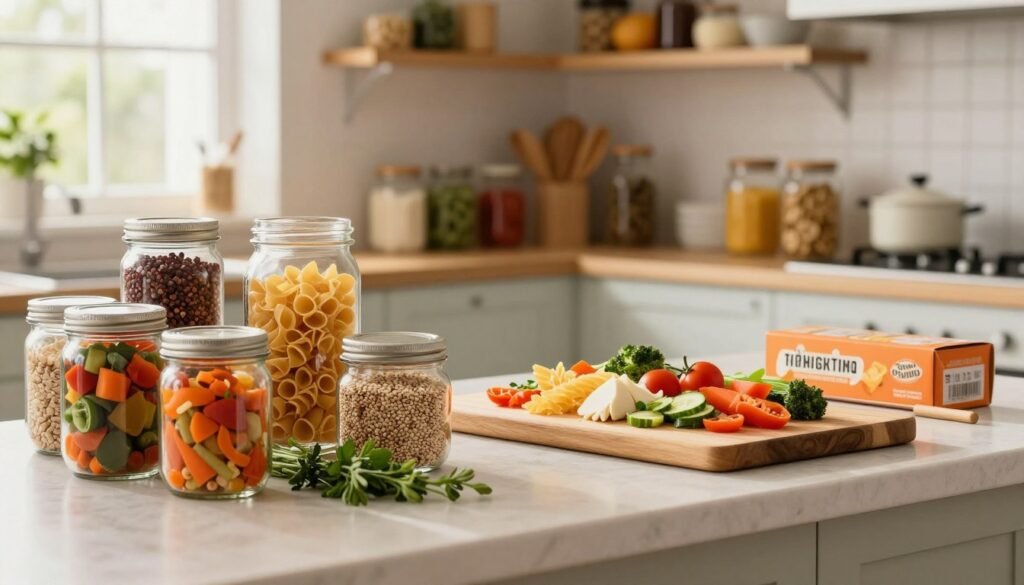
Using shelf-stable foods in your daily cooking keeps your emergency supplies fresh. Make it a habit to include these foods in your meals for a solid preparedness plan.
Managing Your Stockpile Food List Effectively
Keeping your stockpile food list organized is key for any home. It helps you know what you have and what you need. It also keeps your food fresh and ready for emergencies.
Tracking Expiration Dates and Inventory Levels
It’s important to check expiration dates often. Try to do an inventory check at least twice a year. This way, you can see which items are close to expiring and need to be used or replaced.
Here are some tips:
- Use a calendar to mark expiration dates.
- Keep a digital or physical list of your stockpile items.
- Check inventory levels before shopping to avoid over-purchasing.
Updating Your Supplies Based on Consumption
Your family’s needs can change over time. Update your stockpile food list based on what you actually use. This way, you buy only what you need. Follow these steps:
- Review your stockpile food list regularly.
- Replace items as you use them to maintain balance.
- Consider seasonal needs or special occasions.
By managing your stockpile food list well, you keep your emergency supplies ready. This proactive approach makes sure you and your family are always ready for anything.
| Item | Expiration Date | Quantity |
|---|---|---|
| Canned Beans | 2025-05-01 | 10 cans |
| Rice | 2026-08-15 | 5 lbs |
| Pasta | 2024-11-30 | 3 lbs |
Choosing the Best Canned Goods for Emergencies
Canned goods are key for emergency pantries. They are convenient, last long, and offer many nutritional options. Pick items that are rich in nutrients, like canned veggies, fruits, and meats in water. This way, you can have balanced meals during tough times.
The FDA checks food labels, helping you make smart choices. Look for labels that show nutritional info clearly. Choose items that don’t need extra water, which is handy when water services stop.
Here are some tips for selecting the best canned goods:
- Choose low-sodium canned vegetables.
- Opt for fruits packed in juice or water, not syrup.
- Select canned meats like tuna or chicken packed in water.
- Consider beans for protein and fiber.
To help you decide, here’s a table of recommended canned goods:
| Type | Examples | Nutritional Benefits |
|---|---|---|
| Canned Vegetables | Green beans, corn, carrots | Rich in vitamins and minerals |
| Canned Fruits | Pineapple, peaches, pears | Source of vitamins and natural sugars |
| Canned Meats | Tuna, chicken, salmon | High in protein and omega-3 fatty acids |
| Canned Legumes | Chickpeas, black beans, kidney beans | Excellent source of protein and fiber |
Adding these essentials to your stockpile prepares you for any emergency. With the right canned goods, you can keep a balanced diet even when things get tough.
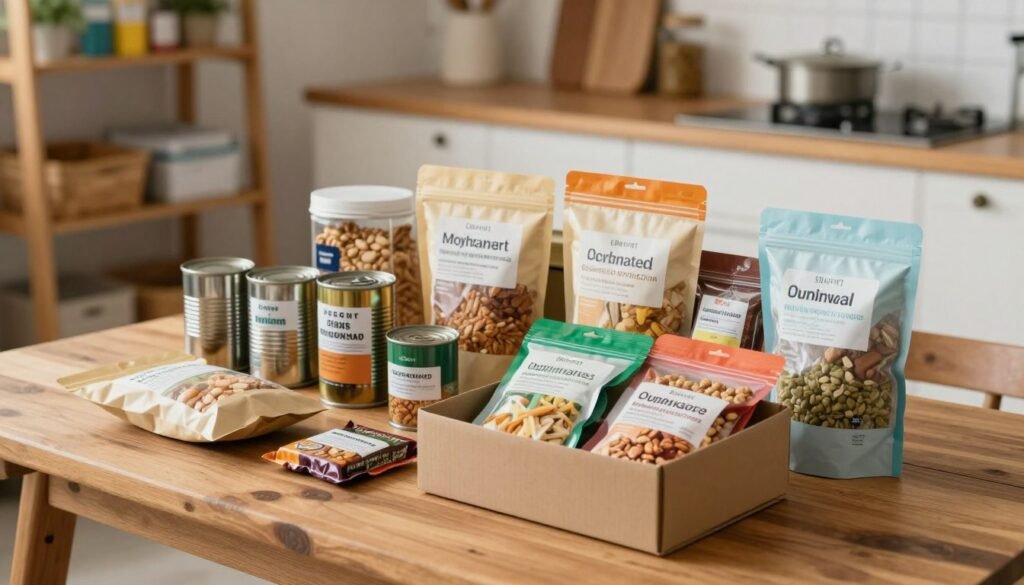
Evaluating Survival Food Kits for Your Family
Survival food kits are a great way for families to prepare for emergencies. They let you stock up fast and ensure you have what you need. Think about freeze-dried and dehydrated options. Each has its own benefits for your family.
Comparing Freeze Dried Versus Dehydrated Options
Freeze-dried foods keep more of their taste and texture, making meals better. Dehydrated foods are smaller and lighter, perfect for storing and carrying. Here’s a quick look at the differences:
| Feature | Freeze-Dried | Dehydrated |
|---|---|---|
| Texture | Retains original texture | Can become chewy |
| Flavor | More flavorful | Less intense |
| Weight | Heavier | Lighter |
| Preparation Time | Quick rehydration | Longer rehydration time |
Assessing Portability and Ease of Preparation
Being able to carry your food kit easily is key. Look for kits that are light and small. Also, choose kits that are simple to prepare. This way, you can make meals quickly during an emergency.
- Check the weight of the kit.
- Look for easy-to-follow cooking instructions.
- Consider how many servings are included.
- Evaluate the shelf life of the food items.
Picking the right survival food kits means your family can eat well in emergencies. Take your time to find the best fit for your family.
Maintaining Proper Storage Conditions for Longevity
To keep your food safe for a long time, it’s important to store it right. You should keep your shelf-stable foods in a cool, dark, and dry place. The best temperature is between 50 and 70 degrees Fahrenheit. This keeps the food’s nutrients and packaging safe.
Here are some tips for maintaining optimal storage conditions:
- Store food in a location away from direct sunlight.
- Avoid areas with extreme temperature fluctuations, such as garages or attics.
- Use airtight containers to protect food from moisture and pests.
- Regularly check the temperature and humidity levels in your storage area.
By controlling these factors, you can make your food last longer. This keeps your food safe and nutritious for when you need it.
- Label all containers with the purchase date and contents.
- Keep an inventory list to track what you have and when it needs to be used.
- Rotate your supplies regularly to use older items first.
Following these steps will keep your emergency food in top shape. This way, you’ll be ready for any crisis.
Rotating Your Disaster Preparedness Food Inventory
Keeping your emergency food fresh is key for disaster readiness. Regularly updating your food stock ensures it stays safe and good to eat. This not only saves food but also prepares you for emergencies.
Implementing a First In First Out System
The First In First Out (FIFO) system is a smart way to manage your emergency food. It means putting new items at the back and using older ones first. This way, you:
- Reduce food spoilage
- Use older items first
- Keep your stock balanced
Refreshing Your Stock During Seasonal Transitions
Seasonal changes are a good time to update your emergency food. In the spring or autumn, make sure to:
- Check expiration dates
- Replace expired items
- Restock with fresh supplies
This keeps your food supply current and reminds you to check your readiness. Keeping your emergency food up-to-date is vital for your family’s safety in emergencies.
| Season | Action | Purpose |
|---|---|---|
| Spring | Check and replace | Refresh supplies |
| Autumn | Inventory assessment | Ensure readiness |
Conclusion
Having a reliable emergency food supply is key for your family’s safety. It requires careful planning and regular upkeep. A detailed stockpile food list helps keep your pantry full of the best canned goods for emergencies.
Investing in survival food kits adds security. These kits offer nutritious, easy-to-prepare options. Regularly check and update your supplies to keep food fresh and varied.
By taking these steps now, you’re ready for any future challenges. Start preparing today to make your family more resilient against uncertainty.