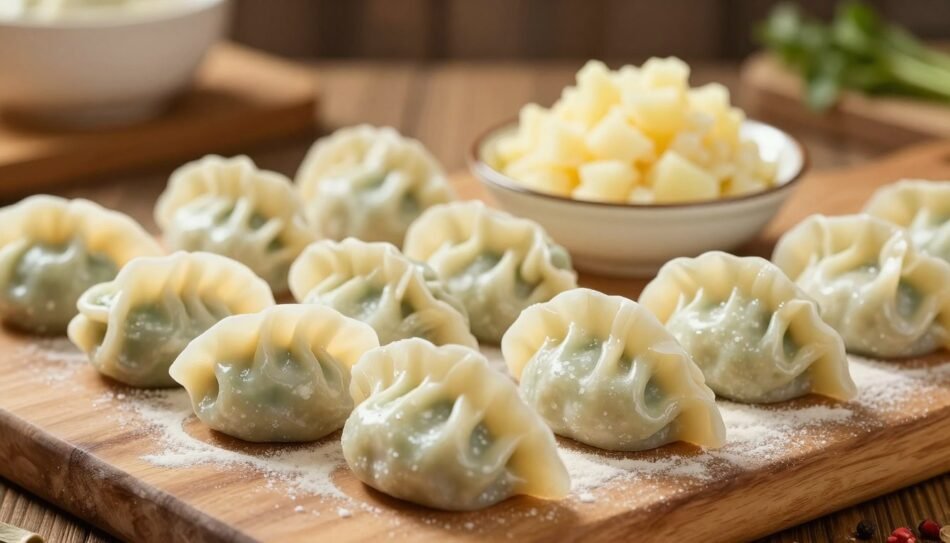

Discover The Secret Ingredient That Makes Dumplings Irresistibly Squishy and learn how to achieve perfect texture in your homemade dumplings every time.
Imagine the warmth of a kitchen filled with the aroma of freshly steamed dumplings. Family and friends gather around the table, excited. The anticipation grows as you take that first bite.
The wrapper yields perfectly, revealing a burst of flavor. What makes these dumplings so irresistible? The secret ingredient is in the science of texture. It’s a simple element that makes your cooking extraordinary.
Understanding starch and protein is key. When you master this, your dumplings will be tender yet resilient. This guide will show you how to achieve that perfect balance. Your homemade dumplings will soon rival those from your favorite restaurant, bringing joy to your table and warmth to your heart.
The Secret Ingredient That Makes Dumplings Irresistibly Squishy
Key Takeaways
- The right ingredients can elevate your dumpling game.
- Understanding starch and protein interactions is key.
- Perfect texture is key to irresistible dumplings.
- Simple techniques can lead to professional results.
- Homemade dumplings can be a joyful family experience.
Understanding the Science of Dumpling Texture
Making the perfect dumpling is all about its texture. This texture comes from the wrappers’ elasticity and the flour’s protein content. Knowing these secrets can make every bite a delight.
Why Elasticity Matters in Wrappers
Elasticity is key for dumpling wrappers. It lets the dough stretch without breaking, even with rich fillings. A good wrapper keeps its shape while cooking, keeping the filling inside. Here’s why it’s so important:
- Prevents tearing during filling.
- Maintains shape during cooking.
- Enhances the overall mouthfeel.
The Role of Protein Content in Flour
The protein in flour greatly affects dumpling texture. Most all-purpose flours have 10% to 12% protein. This protein forms gluten, which shapes the dough. More protein means chewier wrappers. Here’s what to consider:
- Lower protein flour results in softer wrappers.
- Higher protein flour creates a chewier texture.
- Choosing the right flour affects the final dumpling experience.
Knowing these factors lets you fine-tune your dumplings’ texture. By trying different flours and methods, you can create irresistible, squishy dumplings.
The Secret Ingredient That Makes Dumplings Irresistibly Squishy
Making perfect dumplings is not just about skill. It’s about using a secret ingredient that makes the dough incredibly soft. This special ingredient changes how wheat starch cooks. When added correctly, it makes every dumpling soft and even.
This trick is a favorite in traditional kitchens. Chefs love it for the soft, cloud-like texture it adds. Here’s what you need to know about this magic ingredient:
- Texture Enhancement: It makes the dough more pliable and soft.
- Consistency: Ensures that each dumpling maintains the same delightful texture.
- Cooking Performance: Aids in achieving the ideal level of doneness without compromising quality.
Timing is key when adding this ingredient. Adding it too soon or too late can ruin the dumplings. This is why experienced dumpling makers pay close attention to timing.
With this secret ingredient, your dumplings will be not just delicious but also irresistibly squishy. Try it out and impress your loved ones with your dumpling-making skills.
Selecting the Right Flour for Your Dough
The key to making delicious dumplings is choosing the right flour. The type of flour you pick can greatly affect how they taste and feel. Different flours have different amounts of protein, which changes how your dumpling wrappers turn out.
Comparing All Purpose and Bread Flour
All-purpose flour is a favorite in many homes. It has about 10% to 12% protein. This makes it good for many recipes. Bread flour, with 12% to 14% protein, is better for making chewy dumpling wrappers.
| Flour Type | Protein Content | Best Uses |
|---|---|---|
| All-Purpose Flour | 10% – 12% | General baking, dumplings |
| Bread Flour | 12% – 14% | Chewy dumplings, bread |
Sourcing Specialty Asian Wheat Flours
For real dumpling flavors, try specialty Asian wheat flours. These flours are ground finer, making your dumplings more moist and tender. Look for wheat starch, glutinous rice flour, or Chinese all-purpose flour.
Using these flours can take your dumplings to the next level. They add special tastes and textures that regular flours can’t match.
Mastering Authentic Dumpling Preparation Techniques
Making delicious dumplings at home needs skill and care. Learning traditional methods is key. By using the right dumpling making techniques, you can make perfect wrappers.
To start, here are some important tips:
- Choose the right flour. A mix of all-purpose and Asian flours improves texture.
- Make sure the dough is the same thickness. This helps it cook evenly and taste great.
- Use traditional folding methods. Different shapes make your dumplings unique.
- Be patient. Making authentic dumplings takes time, but it’s worth it.
Handling the dough right makes your wrappers chewy and tender. This is key for a great taste. As you get better, you’ll feel more confident making top-notch dumplings at home.
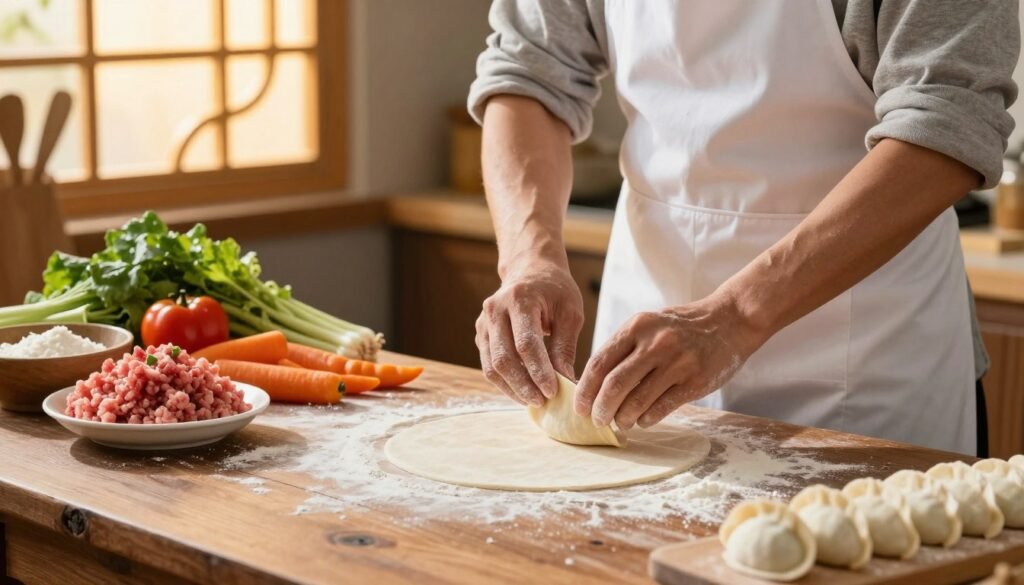
With these tips, you’re on your way to becoming a dumpling expert. Enjoy the journey and the tasty results of your hard work.
Achieving the Perfect Dumpling Dough Consistency
Creating the perfect dumpling dough is key to making tasty dumplings. The right mix of water and rest time is essential. Knowing these tips will help you get the perfect texture in your dumplings.
Hydration Ratios for Soft Wrappers
The amount of water in your dough affects its texture. Most experts say use 60% to 65% water. This keeps your dough soft and easy to roll without breaking. Here are some tips:
- Use warm water to help the dough develop.
- Measure your flour carefully for the best results.
- Adjust the water based on how humid it is.
Resting Your Dough for Optimal Results
After mixing, let your dough rest for at least 30 minutes. This rest is vital as it relaxes the gluten. A relaxed gluten makes shaping easier. Follow these steps:
- Cover the dough with a damp cloth to keep it moist.
- Let it rest at room temperature for even consistency.
- Use this time to prepare your filling.
Mastering hydration and resting your dough will help you make perfect dumpling dough. This will result in soft, delicious wrappers that make your dumplings even better.
Tips for Creating Chewy Dumpling Wrappers
Making chewy dumpling wrappers is an art that needs careful attention. Many home cooks struggle with wrappers that become too soft after cooking. To get the right texture, knead the dough well. This builds the gluten needed for that chewy feel.
Here are some tips to help you create chewy dumpling wrappers:
- Knead the dough thoroughly to develop gluten.
- Roll the edges of the wrappers thinner than the center.
- Allow the dough to rest for at least 30 minutes before rolling.
- Use a high-protein flour for better elasticity.
- Keep the dough covered to prevent it from drying out.
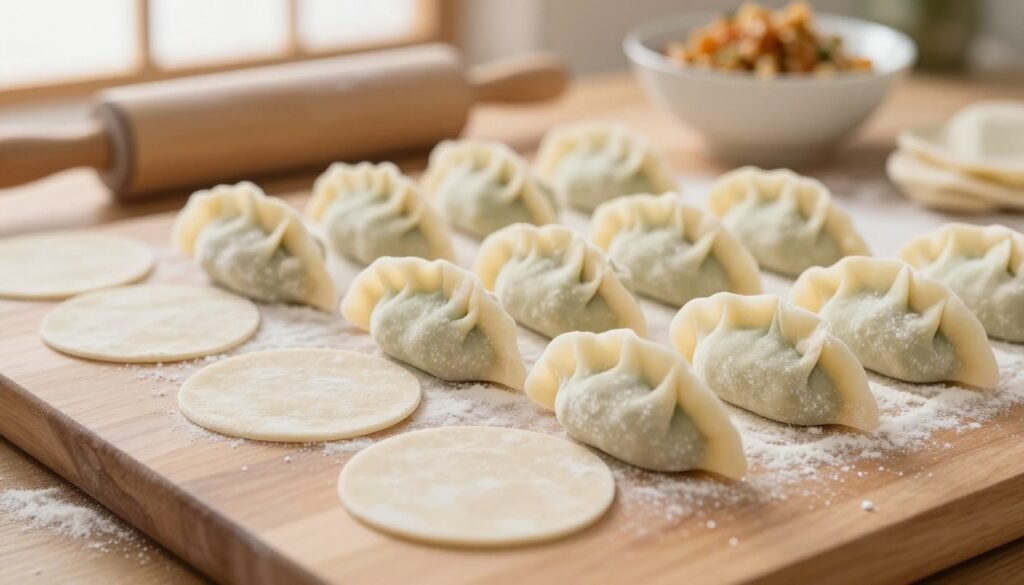
These tips will help you achieve a chewy texture in every bite. The right resistance makes a dumpling stand out. By following these techniques, you’ll become a pro at making chewy dumpling wrappers.
| Technique | Description | Impact on Texture |
|---|---|---|
| Kneading | Develops gluten structure in the dough. | Creates elasticity and chewiness. |
| Rolling Technique | Thinner edges allow for better cooking. | Ensures uniform texture. |
| Resting Time | Allows gluten to relax. | Improves dough handling. |
| Flour Type | High-protein flour enhances chewiness. | Increases elasticity. |
Essential Asian Dumpling Ingredients for Flavor
Making tasty dumplings is more than just the wrapper. It’s the filling that lets you show off your cooking skills. Using key Asian dumpling ingredients can make your dish even better. Finding the right balance of flavors is what makes a dumpling truly great.
Balancing Aromatics and Seasonings
Aromatics are very important for the taste of dumplings. Here are some must-haves:
- Ginger
- Garlic
- Scallions
- Sesame oil
These add depth and complexity. Try different amounts to find your favorite mix.
Selecting Fresh Vegetables and Proteins
Using fresh ingredients really makes a difference. Here are some good choices:
- Ground pork
- Shrimp
- Tofu
- Fresh veggies like cabbage, carrots, and mushrooms
Choosing top-notch proteins and veggies makes your filling juicy and tasty. A well-seasoned filling is key to a memorable dumpling.
| Ingredient | Flavor Profile | Common Uses |
|---|---|---|
| Ginger | Spicy, warm | Filling, dipping sauces |
| Garlic | Pungent, savory | Filling, sautéing |
| Scallions | Fresh, mild onion | Filling, garnish |
| Sesame Oil | Nutty, rich | Filling, dressing |
Adding these essential Asian dumpling ingredients will make your dish flavorful and satisfying. Remember, the quality of your ingredients matters a lot for the best taste.
Common Mistakes When Making Homemade Dumplings
Making homemade dumplings is a fun experience. Even experienced cooks can make mistakes that affect their dumplings. Knowing these mistakes helps improve your skills. Here are some key tips to help you avoid these errors.
- Over-filling: Too much filling can cause dumplings to burst. Try to find a balance that lets you seal them well.
- Using cold water: Cold water makes dough tough. Always use hot water for better texture.
- Neglecting dough resting: Skipping the resting time can make wrappers tough. Let the dough rest for at least 30 minutes.
- Inconsistent dough thickness: Uneven dough can cook unevenly. Make sure the dough is rolled to the same thickness.
By avoiding these mistakes, you can improve your dumpling-making skills. Consistency is key to making perfect dumplings. Pay close attention to the details and follow these tips for delicious results every time.
| Mistake | Impact | Solution |
|---|---|---|
| Over-filling | Bursting dumplings | Use a moderate amount of filling |
| Using cold water | Tough texture | Use hot water |
| Neglecting dough resting | Tough wrappers | Rest dough for 30 minutes |
| Inconsistent dough thickness | Uneven cooking | Roll to uniform thickness |
Storage and Reheating Methods for Best Results
Storing your dumplings right is key to enjoying them later. To keep their taste, follow these simple steps for freezing and reheating.
Freezing Your Dumplings Properly
To freeze dumplings without them sticking, do this:
- Arrange the dumplings on a flat tray in a single layer.
- Place the tray in the freezer for about 1-2 hours until they are firm.
- Transfer the frozen dumplings to an airtight container or freezer bag.
- Label the container with the date for easy tracking.
Steaming and Pan Frying Leftovers
When you’re ready to enjoy your frozen dumplings, reheating them right is key. Here are two ways to do it:
- Steaming: Place the dumplings in a steamer basket. Steam for about 8-10 minutes, until heated through.
- Pan Frying: Heat a little oil in a pan. Add the dumplings and fry until golden brown, then add a splash of water and cover to steam for 5-7 minutes.
These storage and reheating tips make sure your dumplings stay delicious. Enjoy your tasty creations weeks after making them!
Conclusion
Learning to make dumplings is a fun journey. It mixes science, skill, and fresh ingredients. Now, you can try any squishy dumpling recipe with ease.
Every step is important, from picking the right flour to getting the dough just right. These steps help you get the perfect texture.
Practice is essential to get better. Try different fillings and cooking ways to improve your dumplings. Aim for the right mix of flavors and textures for the best taste.
With the advice from this guide, you can make tasty dumplings at home. Enjoy making them and share your creations with others.