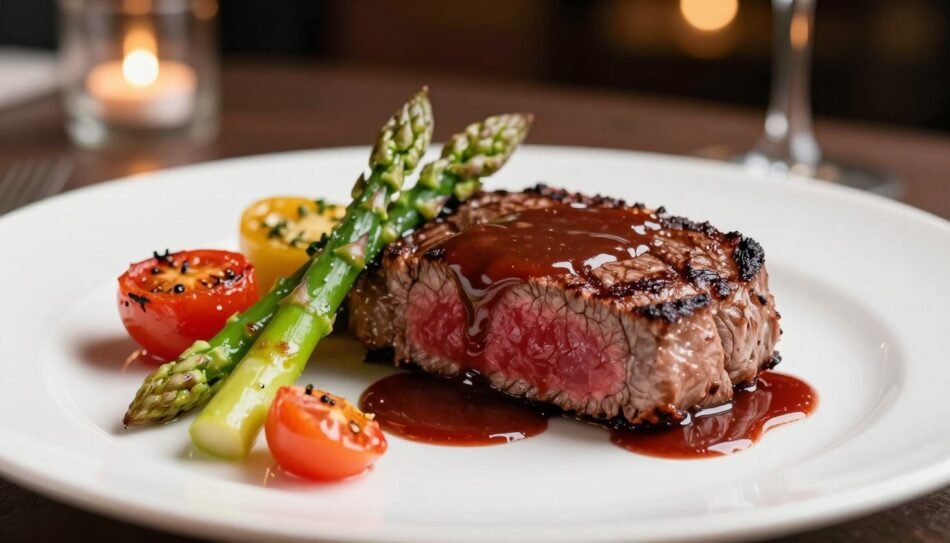

You sit down at a steakhouse and watch the server set down a perfectly cooked ribeye in front of you. The meat sizzles on the plate. You cut into it and taste something wonderful. Then you realize something is missing. That steak could taste even better with the right sauce.
Most home cooks treat steak sauce like an afterthought. You grill the meat, season it with salt and pepper, and call it done. The truth is different. A great sauce transforms your steak from good to unforgettable. The right pairing brings out flavors you did not know were hiding in the meat.
Professional chefs understand this secret. They know that you should never eat steak without sauce again after this moment. The chemical balance between fat and acid in your beef creates a perfect opportunity for flavor magic. When you master sauce-making, your dinner table becomes as impressive as any fine dining restaurant.
This guide shows you how to unlock that secret. You will learn simple techniques that take minutes to master. You will discover which sauces work best with different cuts. You will understand why chefs always finish their steaks with something special.
Get ready to change the way you cook steak forever. Your next dinner is going to taste restaurant-quality. The sauce is the secret ingredient you have been missing.
Key Takeaways
- Sauce enhances steak by balancing rich beef flavors with acidity and brightness
- Understanding the chemistry of fat and acid makes you a better cook
- Simple pan sauces take just minutes to prepare at home
- Different steak cuts benefit from different sauce styles
- Fresh ingredients like garlic, shallots, and herbs elevate your sauce game
- Restaurant-quality steak starts with knowing when and how to apply sauce
Why You Should Never Eat Steak Without Sauce Again After This
Many home cooks think a top-notch steak just needs salt and pepper. But, they’re missing out on amazing flavors. A great sauce can change your steak game by adding depth and complexity.
When you cook a high-quality cut like Wagyu or prime ribeye, it gets rich and fatty. This fat makes your steak feel heavy. But, a good sauce balances it out. It adds moisture and cuts through the richness, making your steak taste better.
Professional kitchens know this secret. They make sauce a key part of steak prep. Why? Because sauce creates contrast. It brings new flavors that complement your meat.
Key Benefits of Adding Sauce to Your Steak
- Breaks down fatty proteins and enhances digestion
- Adds moisture to prevent dry, bland bites
- Introduces acidity that cleanses your palate
- Creates multiple flavor dimensions in one dish
- Prevents flavor fatigue from eating meat alone
Your steak is worth more than just salt and pepper. A sauce is not just a topping for average meat. It’s essential for bringing out the best in quality beef. Once you see how sauce elevates your steak, you’ll never go back to plain steak again.
Understanding the Role of Acidity in Meat Pairing
Acidity is key to a great steak experience. It acts as a palate cleanser when you eat a rich, fatty steak. This balance makes your meal more enjoyable from start to finish.
Think of acidity as a secret to making a good steak even better. It cuts through the richness and brings out the beef’s natural flavors. This is something sauces can’t do.
Balancing Fat with Citrus Notes
Citrus elements make your steak pop. You can use:
- Lemon zest sprinkled over cooked beef
- Fresh lime juice mixed into pan sauces
- Orange segments as a finishing touch
- Grapefruit juice for bold, complex flavors
These citrus additions make butter-basted steaks feel lighter and more vibrant. The sharp, fresh taste creates contrast that makes each bite feel lighter and more vibrant.
Using Vinegar to Cut Through Richness
Vinegar-based reductions are another way to find balance. Consider these options:
- Balsamic vinegar reduction for deep, sweet notes
- Sherry vinegar for elegant, subtle tang
- Apple cider vinegar for a bright, crisp finish
- Red wine vinegar for sharp acidity
These vinegars highlight the natural umami of your beef. They prevent any heavy, overwhelming sensations. Mastering these acidic elements is key to making professional-quality steak at home.
Essential Ingredients for Homemade Steak Sauce
Creating a great homemade steak sauce begins with knowing the key ingredients. You need quality ingredients to make something as good as a restaurant at home. The best sauces have a balance of richness, acidity, and depth.
Here are the main ingredients you’ll need for your homemade steak sauce:
- Beef stock or demi-glace for body and richness
- Fresh aromatics like shallots, garlic, and onions
- High-quality butter for silky texture
- Fresh herbs such as thyme and rosemary
- Acidic elements like red wine or vinegar
- Worcestershire sauce for umami depth
Begin with reduced beef stock. This ingredient gives your sauce the body it needs. Let it simmer until it thickens and shines. Fresh herbs like thyme or rosemary should be added early. This lets their flavors mix into the sauce.
Quality matters more than complexity. You don’t need a lot of ingredients to impress. Choose the best beef stock you can find. Brands like Better Than Bouillon or homemade stock will make your sauce stand out.
The difference between good and great steak sauce lies in the details of ingredient selection, not the length of the recipe.
Homemade steak sauce is quick to make. With these ingredients, you can whip up a sophisticated sauce in under twenty minutes. Keep fresh herbs and quality stock on hand. This way, you’re always ready for a great dinner.
Mastering the Perfect Sauce for Ribeye
A ribeye steak is truly magnificent. Its marbling adds rich, beefy flavor. To make the perfect sauce, you need to build layers of taste that match the meat’s intensity. Choose ingredients that highlight what makes ribeye special.
Your sauce should balance the meat’s fat. A good sauce cuts through the richness, showing off the steak’s best sides. It’s all about two main parts working together.
Selecting the Right Wine Reduction
A red wine reduction is key to a great sauce. Start with a dry Cabernet Sauvignon. Simmer it until it thickens and shines. This process makes the wine’s flavors strong and focused.
Here’s what you need to do:
- Pour one cup of Cabernet Sauvignon into a saucepan
- Heat over medium-high temperature
- Let it simmer for 10 to 15 minutes until reduced by half
- Watch for a syrupy consistency that coats the back of a spoon
Incorporating Shallots and Garlic
Shallots and garlic connect your meat and wine. Cook your ribeye, then sauté minced shallots and garlic in the pan’s fat. This method adds deep, complex flavors that make your meal better.
Follow these steps:
- Keep about two tablespoons of beef fat in your pan
- Add three minced shallots to the hot pan
- Cook for three to four minutes until soft
- Stir in two minced garlic cloves
- Cook for one minute more
- Pour in your wine reduction
- Simmer together for two minutes
The combination of rendered beef fat, aromatics, and wine creates a luxurious, glossy finish. This method gives you a sauce that restaurant chefs love. Your steak gets a sophisticated coating that makes every bite better without overpowering the meat.
Techniques for Achieving Restaurant-Quality Steak at Home
To make restaurant-quality steak at home, you need to learn specific cooking methods. It’s all about controlling heat, using the right equipment, and finishing techniques. These steps can turn your meal into something special, just like at upscale steakhouses.
Choosing the right cookware is key. A heavy cast-iron skillet spreads heat evenly, creating a crusty surface. This crust makes your steak look and taste like it’s from a steakhouse.
- Pat your steak dry with paper towels to remove surface moisture
- Season generously with salt and pepper just before cooking
- Heat your cast-iron skillet until it reaches a high temperature
- Sear the steak for 3-4 minutes on each side without moving it
- Lower the heat and baste with butter, garlic, and fresh herbs
- Check the internal temperature with a meat thermometer
Butter basting is a game-changer for your steak’s last minutes. After getting a golden crust, the pan’s heat is perfect for this. The melted butter brings flavors of garlic and herbs right to your meat, making it even more delicious.
| Steak Cut | Ideal Thickness | Searing Time (Each Side) | Final Temperature |
|---|---|---|---|
| Ribeye | 1.5 inches | 3-4 minutes | 130-135°F (Medium-Rare) |
| New York Strip | 1.5 inches | 3-4 minutes | 130-135°F (Medium-Rare) |
| Filet Mignon | 2 inches | 4-5 minutes | 125-130°F (Medium-Rare) |
| Porterhouse | 2 inches | 4-5 minutes | 130-135°F (Medium-Rare) |
Letting your steak rest after cooking is just as important as cooking it. Take it off the heat and let it rest for 5-10 minutes before serving. This makes sure the juices stay in the meat, keeping it tender and juicy.
Controlling the temperature is key to being a pro. Use a meat thermometer for consistent results. Pull your steak from the heat 5 degrees before your target, as it will rise another 5 degrees while resting.
Balancing Richness with Gourmet Steak Accompaniments
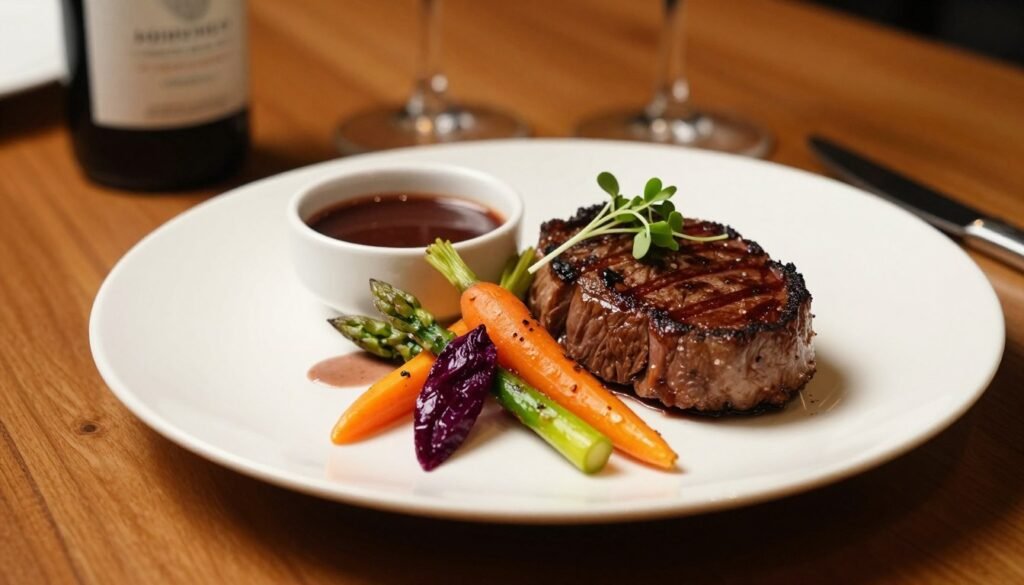
A perfectly cooked steak needs the right accompaniments to shine. It’s about finding flavors and textures that balance the meat’s richness. Choosing the right accompaniments is like picking a symphony for your taste buds.
The bold taste of a ribeye or New York strip requires careful sauce selection. Your sauce should enhance the meat, not overwhelm it. Look for elements that either cut through the richness or add to its savory taste.
Choosing Complementary Flavor Profiles
When picking flavors, aim for a harmonious mix. Think about what tastes will work well together:
- Bright citrus notes that contrast fat
- Earthy mushroom undertones
- Peppery spice that awakens the palate
- Herbaceous freshness from basil or rosemary
Enhancing Umami with Savory Additions
Umami is the savory fifth taste that makes food satisfying. Adding umami-rich ingredients to your sauces can enhance this:
| Ingredient | Umami Level | Best Use |
|---|---|---|
| Soy sauce | Very High | Asian-inspired pan sauces |
| Worcestershire sauce | High | Classic steak sauces |
| Anchovy paste | Very High | Subtle depth in reductions |
| Tomato paste | High | Rich, concentrated sauces |
These ingredients boost the savory taste of your food. A little anchovy paste adds depth without tasting fishy. Soy sauce adds umami and a touch of saltiness that pairs well with beef.
By choosing these flavors with care, you make your meal memorable. Your steak becomes more than just delicious; it becomes unforgettable.
Elevating Your Steak Dining Experience Through Texture
Texture is key to making a steak meal unforgettable. It’s what turns a good steak into a memorable one. The magic happens when you mix a crispy crust with a smooth sauce. This mix of textures makes a big difference.
Your steak’s center should be tender and juicy, cooked to medium-rare. This softness is the base for texture contrast. When you add a smooth sauce, the experience becomes even more special. The sauce sticks to the steak, and you get to enjoy different textures in every bite.
Adding Crunch to Your Plating
Crunchy elements make your dish look and taste better. Here are some ideas:
- Toasted peppercorns sprinkled as a finishing touch
- Crispy fried shallots scattered across the plate
- Pan-seared breadcrumbs for added dimension
- Roasted garlic chips for textural interest
These crunchy bits add variety to your dish. They make your teeth work and your mouth feel different textures. This shows your dish is special and not just ordinary.
To elevate your steak meal, focus on texture. Don’t serve dishes that are flat and one-dimensional. Instead, aim for a mix of sauce, crust, and crunch that works well together.
Classic Butter Based Toppings for Beef
Butter can make your steak taste like it’s from a fancy restaurant. When you put butter on a hot steak, it melts and coats the meat. This adds a rich, luxurious flavor.
Butter is special because it has fat that carries flavor to your taste buds. You don’t need fancy tools or hard steps to use butter on beef.
The best butter for this is high-quality, European-style butter. It has more fat than American butter, making it melt smoother and taste richer. Your steak will feel creamier and taste better with every bite.
Creating Compound Butters at Home
Compound butter is softened butter mixed with herbs, spices, or other ingredients. You can make it in minutes and keep it for weeks. It’s a quick way to make your steak taste gourmet.
Making compound butter is easy:
- Soften one stick of unsalted butter at room temperature
- Mix in fresh herbs like parsley, thyme, or rosemary
- Add minced garlic, lemon zest, or blue cheese for extra flavor
- Roll the mixture in parchment paper into a log shape
- Refrigerate or freeze until solid
- Slice off a medallion and place it on your hot steak
The butter melts slowly over your hot beef, adding aromatic flavors to each bite. You can make several batches ahead of time and freeze them for up to three months. This saves time on busy nights and makes your steak taste amazing.
Transforming Steak with Sauce Using Fresh Herbs
Fresh herbs add a burst of flavor to your steak dinner. The right timing of adding herbs is key. It makes your sauce vibrant and full of taste.
Some herbs are best added early, while others should be added at the end. This way, you avoid losing their special flavors. It’s what makes your sauce taste like it’s from a pro kitchen.
Infusing Flavors with Roasted Aromatics
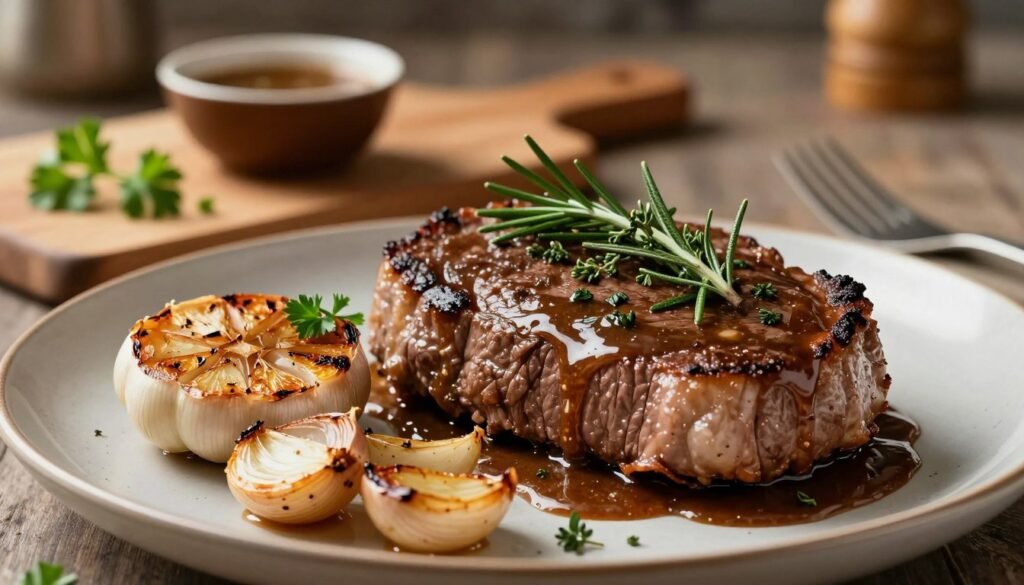
Roasting garlic, shallots, and onions makes them sweet and rich. These roasted ingredients add depth to your sauce. They make your steak sauce more complex.
Begin by roasting your aromatics until they’re golden. This takes 15 to 20 minutes at 400 degrees. The caramelization brings out new flavors that raw versions can’t match.
Use these roasted aromatics as your sauce base. Mix them with butter, stock, or wine. Add parsley or chives at the end to keep their freshness. For rosemary or thyme, mix them into your butter or sauce early.
- Delicate herbs work best added in the final minute of cooking
- Robust herbs should infuse into warm butter or sauce base early
- Roasted aromatics create a rich, sweet flavor foundation
- Always taste your sauce before serving to check seasoning balance
This careful approach keeps your herbs balanced. It prevents them from becoming bitter or overpowering.
Best Steak Sauce Recipes for Beginners
Creating tasty sauces is easy, even if you’re new to cooking. You can make great steak sauces with simple ingredients and basic steps. The trick is to build flavors without making it too hard.
Two methods are great for beginners. Pan sauces use the browned bits from your skillet. Fresh herb sauces need no cooking. Both are quicker than ordering takeout.
Simple Pan Sauces for Weeknight Dinners
Pan sauces turn steak drippings into a golden treasure. After removing your steak, leave the browned bits. These bits are full of beef flavor.
Here’s how to make your sauce:
- Pour out excess fat, leaving about one tablespoon
- Add minced shallots and cook for one minute
- Deglaze with red wine or beef stock by pouring liquid into the hot pan
- Scrape the bottom with a wooden spoon
- Simmer until the liquid reduces by half
- Whisk in cold butter to finish
This whole process takes under five minutes. Your sauce will taste like it came from a restaurant.
Quick Chimichurri Variations
Chimichurri is a fresh, herbaceous alternative that needs no cooking. This Argentine sauce adds a bright touch to steak.
Just blend these ingredients:
- One cup fresh parsley, chopped
- Four garlic cloves, minced
- Half cup olive oil
- Quarter cup red wine vinegar
- One teaspoon oregano
- Salt and pepper to taste
Let it sit for thirty minutes before serving. You can make this sauce ahead of time. Adjust the herbs to your liking for the best flavor.
Common Mistakes When Pairing Sauces with Premium Cuts
Many home cooks make big mistakes when picking sauces for their premium steaks. These errors can ruin a great cut of meat. Knowing what to avoid helps you enjoy your quality beef.
The biggest mistake is using strong sauce ingredients that hide the steak’s natural taste. When you buy a prime-grade ribeye or filet mignon, you’re getting top-notch marbling and flavor. Using heavy, sugary commercial sauces ruins this. Your sauce should enhance the beef’s taste, not hide it.
Another common mistake is not reducing your sauce enough. A thin sauce won’t stick to the meat. Reducing it makes the flavors stronger and the texture better for sticking to your steak.
Key Mistakes to Avoid
- Using store-bought sauces loaded with sugar and artificial flavors
- Applying cold sauce to hot meat
- Adding too much salt before tasting
- Skipping the reduction step entirely
- Choosing acidic sauces that overwhelm tender cuts
- Forgetting to balance bold flavors with restraint
When making your sauce, aim for balance and restraint. You want to create harmony between the meat and sauce, not a fight. Quality beef deserves a sauce that complements it, adding depth to your meal.
Conclusion
Learning about steak sauces can really enhance your cooking at home. You now know how acidity and fresh herbs can make your steak taste amazing. Plus, simple techniques can make your dishes taste like they’re from a restaurant.
Great sauces should make the beef taste even better, not hide it. You can use a wine reduction for a ribeye, a quick pan sauce for weeknight meals, or fresh chimichurri for a burst of flavor. Start with simple recipes like pan sauces and then try more complex ones.
It’s time to cook your next steak dinner. Get some fresh shallots, quality butter, and your favorite herbs ready. Choose a sauce recipe that catches your eye and try it tonight. Every meal you make will make you more confident and skilled in the kitchen, turning simple steaks into special dining experiences.