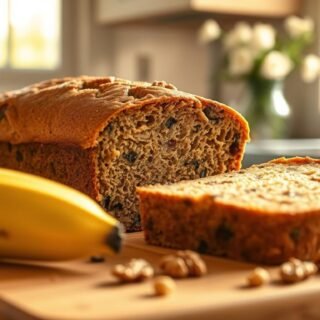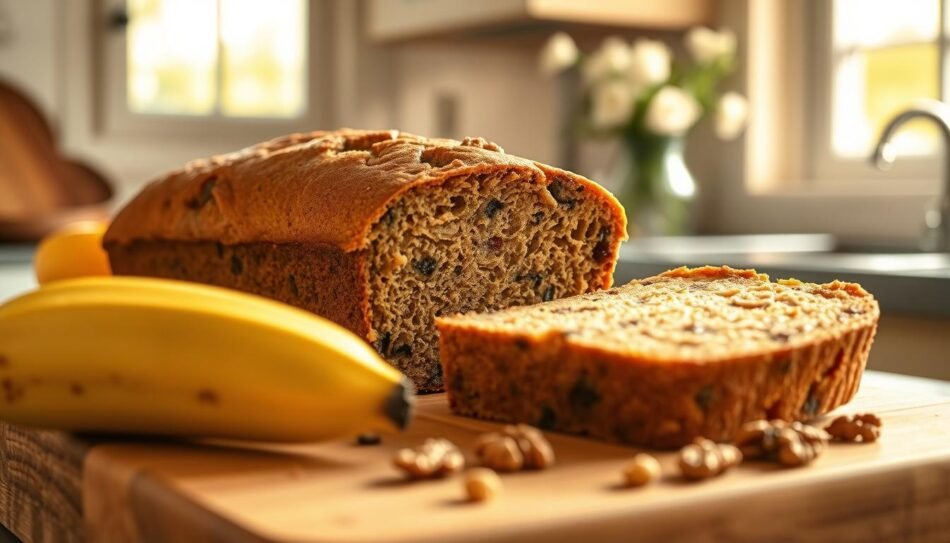

Bake the perfect loaf with Grandma’s Moist Banana Bread Recipe — Finally Revealed. Discover the secret to achieving that signature soft, tender texture today.
There’s a special kind of magic in a family recipe. It’s more than just a list of ingredients. It’s a taste of memory, a warm slice of comfort that feels like home.
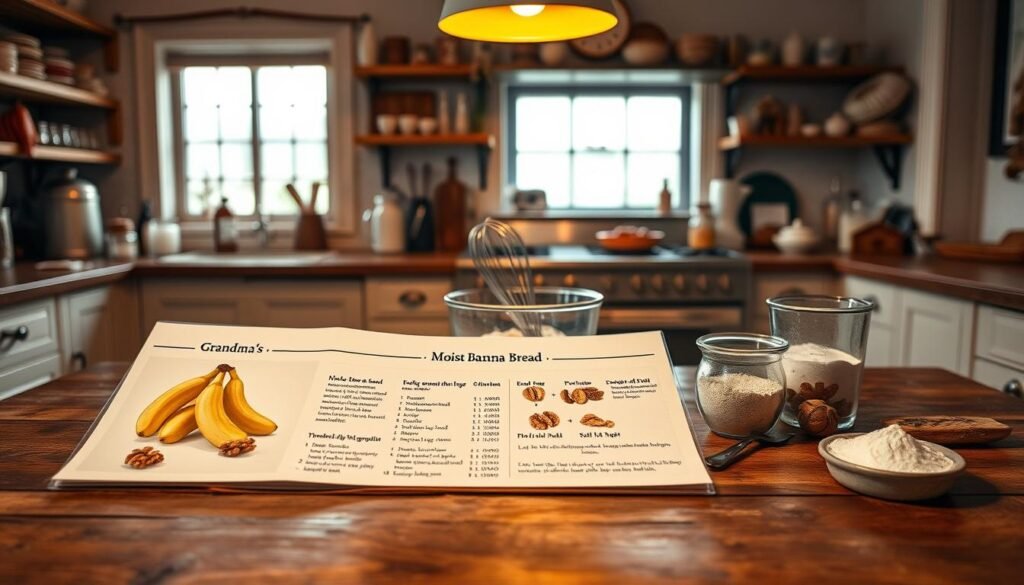
This particular guide honors a beautiful tradition. It comes from Geneva Ruth Buchanan, who carefully preserved her original instructions in a cookbook from 1960. Over the years, that book, like our cherished memories, began to fade.
Now, you can bring that legacy back to life. This classic treat turns simple pantry staples into a beloved homemade staple. The result is a perfectly sweet and tender loaf that fills your kitchen with an irresistible, comforting aroma.
Grandma’s Moist Banana Bread Recipe — Finally Revealed
Whether you’re new to baking or have years of experience, this guide provides clear steps. You’ll create a delicious result that tastes like pure nostalgia. Every slice delivers the perfect balance of flavor and texture when you focus on quality ingredients.
Key Takeaways
- Learn an authentic guide that honors traditional baking methods.
- Transform simple pantry items into a comforting homemade treat.
- Preserve a culinary legacy from a cherished 1960 cookbook.
- Follow clear instructions designed for both beginners and experts.
- Focus on ingredient quality for perfect sweetness and texture in every slice.
- Create a classic loaf that evokes feelings of warmth and nostalgia.
Discover the Story Behind the Recipe
Food serves as a tangible link to our ancestors. For Ashia Aubourg, her Bermudian heritage is deeply woven with the use of bananas in both savory and sweet creations. This connection transforms a simple ingredient into a vessel for memory.
A Legacy Passed Through Generations
Ashia explains that her Bermudian great-great-grandmother helped establish a cherished tradition of baking quick breads. This practice was more than just cooking. It was a way to nurture and gather loved ones.
The kitchen often acts as the heart of a home. The scent of a baking loaf can connect you directly to the memories of those who came before.
Honoring Family and Heritage
Geneva Ruth Buchanan believed a method is only truly valuable when shared. She passed her secrets to friends, ensuring the knowledge lived on.
Tracing your roots through food grounds you in your heritage. It builds a bridge when physical records fade. This specific banana bread recipe is that bridge. It allows you to recreate the warmth and comfort of a family kitchen from the past, right in your own today.
Gathering Your Essential Ingredients and Tools
The foundation of any great homemade creation lies in its components and the tools you use to bring them together. Your success hinges on this careful preparation. It turns a simple list into a guarantee of delicious results.
Choosing the Perfect Ripe Bananas
Selecting the right fruit is your first critical step. Look for ripe bananas with peels covered in dark spots. This indicates peak sweetness.
The darker the peel, the more natural sugar will caramelize in your oven. Always check that they are soft enough to mash easily. This provides the essential moisture for a tender texture.
Must-Have Kitchen Equipment for Baking
Your choice of bakeware directly impacts the final shape and doneness. A reliable loaf pan is non-negotiable. Use a standard 4×8 inch or 9×5 inch size for even baking within 40 to 60 minutes.
High-quality baking pans with a good non-stick surface prevent sticking. This allows your finished loaf to release cleanly. Gather all your ingredients, like that one cup of sugar, before you start for a smooth process.
Understanding the Perfect Texture and Flavor
Texture and flavor are the twin pillars that define a truly memorable homemade treat. Getting them right transforms a simple mix into something extraordinary.
Moist, Tender Loaf Fundamentals
The ripeness of your fruit is crucial. Very ripe bananas with dark peels have high natural sugar content. These sugars caramelize during the baking process.
This reaction deepens the flavor and adds essential moisture to your final loaf.
Careful balance of your ingredients prevents a dry or coarse result. Your wet and dry components must work in harmony.
Small pockets of unmixed flour in your batter are actually beneficial. They help keep the final product light and prevent density.
Proper baking techniques lock in steam. This ensures a soft, satisfying texture every time you bake.
| Factor | Impact on Texture | Impact on Flavor |
|---|---|---|
| Banana Ripeness | Provides essential moisture for tenderness | Caramelizes sugars for deeper sweetness |
| Ingredient Ratio | Prevents dryness; creates soft crumb | Balances sweetness and richness |
| Mixing Method | Small flour pockets keep loaf light | Ensures even distribution of flavors |
| Baking Process | Traps moisture for a satisfying bite | Develops golden crust and complex notes |
Understanding quick bread chemistry lets you troubleshoot issues. You can consistently produce a high-quality result.
Step-by-Step Baking Instructions
Mastering the art of baking requires precise, step-by-step guidance. Following each instruction carefully leads to a consistent and delicious result.
Preparing Your Batter Correctly
Begin by preheating your oven to 350º F. Melt your butter and let it cool slightly. This prevents it from cooking the egg when combined.
In a large bowl, mix your wet ingredients. Thoroughly mash your bananas with a fork first. Then, add the teaspoon of vanilla and a beaten egg.
In a separate bowl, combine your dry ingredients. This includes one cup of sugar, two cups of flour, and baking soda. Whisk them together to ensure even distribution.
Proper Mixing Techniques to Avoid Overmixing
Gently fold the dry mixture into the wet batter. A pastry instructor once shared a key rule: never mix more than eight times.
This minimizes gluten development, which is the secret to a tender loaf. Your goal is a combined but slightly lumpy batter.
Pour the mixture into your greased pan. Bake for 40 to 60 minutes. Check for doneness by inserting a toothpick into the center. It should come out clean.
Grandma’s Moist Banana Bread Recipe — Finally Revealed
The difference between a decent result and an outstanding one often lies in a few key practices. These final checks ensure your hard work in the kitchen yields a beautiful, consistent loaf every single time.
Key Tips to Achieve a Perfect Bake
Your loaf is officially done when a toothpick inserted into the center comes clean. This indicates the internal structure has set without being undercooked. Always perform this test during the final minutes.
When you add flour to your measuring cup, use a light hand. Spoon it in and level it off. This prevents a dense texture from too much dry ingredient.
Incorporating baking soda correctly is vital. It reacts with the natural acidity in your mashed bananas. This reaction creates lift, giving your bread a perfect rise.
Always use a teaspoon of high-quality vanilla extract. It enhances the overall flavor profile of your batter before baking. This simple step adds a layer of aromatic depth.
| Critical Tip | How-To Action | Desired Outcome |
|---|---|---|
| Test for Doneness | Insert a skewer into the loaf’s center; it must comes clean. | A fully set, moist interior without a raw batter core. |
| Measure Flour Accurately | Lightly spoon into a cup and level when you add flour. | A tender crumb, avoiding a dry or heavy texture. |
| Activate Leavening | Ensure your baking soda mixes evenly with the mashed bananas. | Optimal rise and a light, airy structure in your bread. |
| Boost Flavor | Stir in one teaspoon of pure vanilla into the wet mix. | A rich, complex flavor that complements the fruit. |
If you follow these tips, your grandma would be proud of the consistent results. This reliable banana bread recipe becomes a testament to careful baking.
Customizing Your Banana Bread
One of the great pleasures of this classic treat is its adaptability. The base recipe provides a perfect canvas. You can personalize it to match your taste or the occasion.
In its traditional Bermudian form, chopped nuts are a common addition. This simple change introduces a wonderful crunch. It elevates your morning breakfast slice with extra texture.
Adding Nuts, Chocolate Chips, or Dried Fruits
Folding in a handful of crunchy walnuts or pecans is an easy start. These ingredients complement the sweet, tender crumb beautifully. Your loaf becomes more satisfying with every bite.
For a decadent twist, consider chocolate chips. Semi-sweet or dark chocolate chunks melt into pockets of joy. This version is perfect for a sweet breakfast treat or an afternoon snack.
If you prefer a fruitier profile, dried fruits are excellent. Try mixing in cranberries or raisins. Combining them with chocolate chips creates a complex flavor experience.
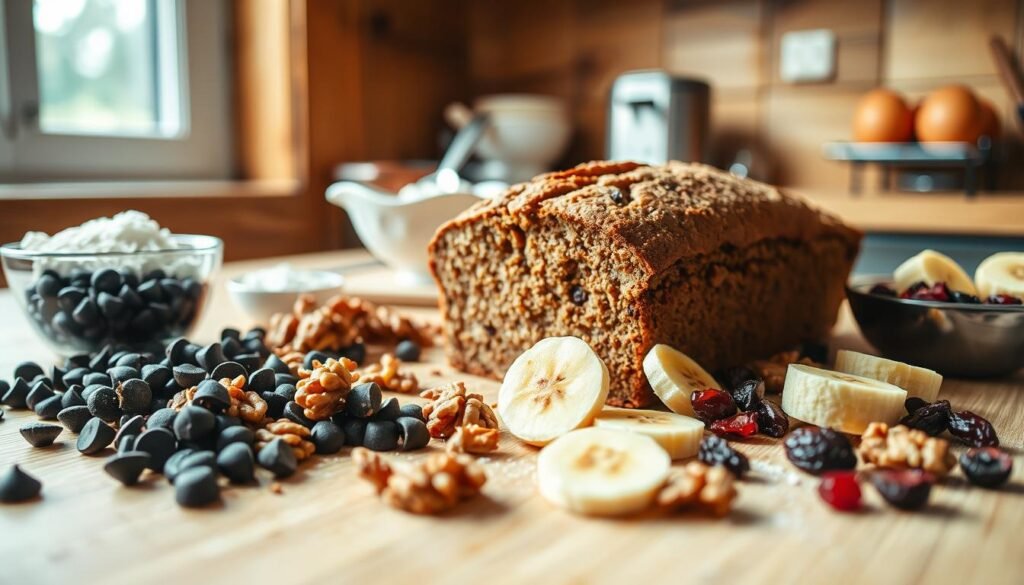
These additions make your bread incredibly versatile. Enjoy it plain, toasted, or with a bit of butter. It suits any breakfast table or coffee break.
| Mix-In Type | Recommended Amount | Flavor & Texture Contribution | Best For |
|---|---|---|---|
| Chopped Nuts (e.g., Walnuts) | 1/2 to 3/4 cup | Adds a crunchy contrast and nutty richness | A hearty, textured morning slice |
| Chocolate Chips | 3/4 cup | Creates sweet, melty pockets; enhances richness | A decadent dessert-like breakfast treat |
| Dried Fruit (e.g., Cranberries) | 1/2 cup | Offers a chewy texture and tangy sweetness | A complex, fruity flavor profile |
| Combination (Nuts & Chocolate) | 1/2 cup each | Delivers both crunch and sweetness in every bite | The ultimate customizable loaf |
Remember, adding too many extra ingredients can affect the bake. Keep an eye on your loaf in the final minutes. A toothpick test is still your best guide to doneness.
Presentation and Serving Suggestions
The final presentation of your homemade loaf is just as important as the baking process itself. A beautiful serve turns a simple snack into a memorable experience for everyone at the table.
Focus on clean removal and elegant plating. These steps ensure your hard work is showcased perfectly.
Perfecting Your Loaf Pan Technique
Start with your bakeware. To ensure your bread releases perfectly, grease your pan thoroughly with butter. You can also use high-quality parchment paper to line the bottom and sides.
Using parchment paper or disposable liners makes removal much easier. This simple trick is a game-changer.
Once baking is complete, let cool the loaf on a wire rack for at least ten minutes. This prevents steaming and makes slicing clean.
Serving your creation on a decorative platter adds a professional touch. This is especially effective if you’ve added nuts or chocolate to the top.
Using paper liners is ideal for gifting. They keep the loaf clean and make transport simple.
Always let cool your bread completely before storing it. This prevents condensation from making the crust soggy inside your container.
Conclusion
This process is more than baking; it’s preserving a piece of family history. Each slice you create carries forward the legacy of Geneva Ruth Buchanan. You keep a cherished tradition alive in your own kitchen.
Remember, the best results start with very ripe bananas. They provide essential moisture and natural sweetness for a perfect, tender loaf. This banana bread recipe is a substantial and delicious treat, offering satisfaction in every bite.
Whether you add nuts or chocolate, this versatile bread is a wonderful way to use overripe fruit. It transforms simple ingredients into a shared joy.
We hope you enjoy the baking journey. Share the final result with the people who matter most. Your family will taste the love in every piece.