

Discover how to make a delicious soup recipe from scratch with simple ingredients. Learn expert tips and techniques for creating comforting homemade soup in under an hour.
On a chilly winter evening, nothing beats a warm bowl of homemade soup. I remember watching my grandmother chop veggies and simmer ingredients. She turned simple things into a magical, nourishing meal that lifted our spirits and warmed our hands.
Soup recipes are more than ingredients. They’re stories passed down through generations. Whether you’re new to cooking or experienced, making a delicious homemade soup is an art. This guide will show you how to create dishes that warm your heart and nourish your body.
Soups range from hearty vegetable blends to creamy concoctions. You’ll learn how simple techniques can make basic ingredients into extraordinary meals. These meals nourish both your body and soul.
Key Takeaways
- Homemade soups are simple to prepare and incredibly versatile
- Soup recipes can be customized to suit individual tastes and dietary needs
- Cooking soup is an opportunity to create meaningful culinary experiences
- Fresh ingredients are key to creating delicious soup recipes
- Soup making is a skill that improves with practice and experimentation
Understanding the Art of Homemade Soup Making
Making a tasty healthy soup starts with learning key kitchen skills and techniques. By making soups from scratch, you turn simple ingredients into nourishing meals. These meals warm both body and soul.
Learning to make soup is an art that needs practice, patience, and the right tools. Your journey begins with the right equipment and basic cooking methods.
Essential Kitchen Equipment for Soup Making
Every home chef needs reliable tools for making delicious soups. Your arsenal should include:
- Large, heavy-bottomed stockpot
- Sharp chef’s knife
- Cutting board
- Ladle
- Immersion blender
- Measuring cups and spoons
Basic Soup Making Techniques
Learning a few key techniques can improve your soup-making skills. Start by:
- Sautéing aromatics like onions and garlic
- Developing layers of flavor
- Selecting fresh soup ingredients
- Controlling cooking temperatures
Stock vs Broth: Understanding the Difference
“The foundation of any great soup is its liquid base.” – Professional Chef
Stock and broth might seem alike, but they’re not. Stock comes from bones and veggies, making a richer, gelatinous liquid. Broth is made from meat and seasoned more, giving a different taste for your soups.
Knowing these basics of soup making lets you create tasty, healthy meals. These meals will warm your heart and home.
Classic Comfort Soups for Cold Weather
Winter’s chill makes us crave a warm, comforting bowl of soup. These classic winter soups do more than feed us. They bring back memories of cozy kitchens and warm feelings.
Winter soups have a special place in our hearts. They remind us of tradition, warmth, and nourishment. Let’s dive into some timeless favorites that will make your cold-weather meals special.
- Chicken Noodle Soup: The ultimate healing hearty soup that combines tender chicken, soft noodles, and aromatic vegetables
- Creamy Tomato Soup: A velvety classic perfect for pairing with grilled cheese sandwiches
- Potato Leek Soup: A rich, smooth soup that captures the essence of winter comfort
These soups are more than meals. They’re like warm hugs that fight off the cold. Full of nutrients and flavor, each recipe brings a unique twist to winter comfort food.
“A good soup warms the body and lifts the spirit” – Traditional Cooking Wisdom
When making these soups, use the best ingredients and slow cooking. Fresh herbs, strong stocks, and slow simmering turn simple ingredients into amazing winter dishes.
Essential Ingredients for Perfect Soup Recipe
Making a tasty vegetable soup begins with picking the right ingredients. The taste and health benefits of your soup depend on the ingredients you choose and how you prepare them. Whether you’re cooking at home or trying to become a chef, knowing the key ingredients for a great soup can improve your cooking skills.
The base of any excellent soup is its ingredients. The ingredients you choose can either make or break your dish. They can turn a simple meal into a memorable experience.
Fresh vs Frozen Vegetables for Soups
When making vegetable soup, you have two main choices for vegetables:
- Fresh Vegetables: Give the best flavor and texture
- Frozen Vegetables: Are convenient and have consistent quality
Fresh veggies add vibrant colors and a crisp texture to your soup. They let you pick the freshest produce with the strongest flavors. Frozen veggies, however, are pre-chopped and keep most of their nutrients.
Herbs and Spices That Enhance Flavor
Boost your vegetable soup with these flavor enhancers:
- Fresh thyme
- Rosemary
- Smoked paprika
- Fresh basil
Protein Options for Hearty Soups
To make your vegetable soup a full meal, add protein sources like:
- Diced chicken
- Beans
- Tofu
- Lentils
The secret to an amazing soup is balancing flavors and textures.
Creamy Soups and Chowders Guide

Making the perfect creamy soup is an art. It turns simple ingredients into rich, velvety dishes that warm the heart. Whether you’re cooking at home or dreaming of being a chef, learning these soups will boost your cooking skills.
To make a creamy soup, you need a few tricks:
- Use heavy cream or milk for creaminess
- Puree veggies for a thickening effect
- Try roux-based methods for extra richness
- Choose the best ingredients you can find
There are many creamy soup styles, each with its own taste. Some favorites are known for their deep flavors:
| Soup Type | Key Ingredients | Texture Profile |
|---|---|---|
| Broccoli Cheddar | Broccoli, Sharp Cheddar | Thick, Rich |
| Clam Chowder | Clams, Potatoes, Cream | Smooth, Hearty |
| Potato Leek | Potatoes, Leeks, Cream | Silky, Mild |
When making your creamy soup, build layers of flavor. Start by cooking aromatics, then add liquids slowly. Use gentle heat to avoid lumps. Patience is key in achieving that perfect, luxurious consistency.
“A great creamy soup transforms simple ingredients into a culinary masterpiece.” – Professional Chef Recommendation
Try new techniques and ingredients to find your favorite creamy soup. Remember, the more you practice, the better you’ll get. Each try brings you closer to becoming a soup-making pro.
Healthy and Nutritious Vegetable Soup Variations
Creating a healthy soup doesn’t mean you have to give up taste. Vegetable soup can be a great way to get more nutrients. It’s perfect for those trying to lose weight, eat more protein, or add fiber to their diet. There are many vegetable soup options to try.
Low-Calorie Soup Options
Low-calorie vegetable soups are great for weight watchers. These recipes use vegetables that are full of nutrients but low in fat. Here are some tips:
- Choose broth-based soups over cream-based ones
- Add veggies like zucchini, spinach, and tomatoes
- Use fewer high-calorie ingredients
High-Protein Vegetarian Soups
Protein is key for muscle and feeling full. Plant-based proteins can make your soup a filling meal.
| Protein Source | Protein Content | Soup Pairing |
|---|---|---|
| Lentils | 18g per cup | Moroccan-style vegetable soup |
| Chickpeas | 15g per cup | Mediterranean vegetable soup |
| Tofu | 10g per 1/2 cup | Asian-inspired vegetable soup |
Fiber-Rich Soup Combinations
Vegetable soups can boost your digestive health with fiber. Mix different veggies and legumes for nutrient-dense, filling meals that are good for your health.
- Mix beans with root vegetables
- Include whole grains like quinoa or barley
- Add leafy greens for extra fiber
Pro tip: Try different vegetable mixes to keep your soup exciting and healthy.
Time-Saving Tips for Quick Soup Preparation
Making tasty easy soup recipes doesn’t have to take all night. With a few smart tips, you can make a delicious soup fast. You’ll get great flavor and nutrition without spending hours in the kitchen.
Professional cooks have a secret for quick soup making. It’s all about planning and using smart kitchen tricks. With a few simple steps, you can turn soup making into a quick and fun task.
- Utilize pre-chopped vegetables from grocery stores
- Invest in a pressure cooker or Instant Pot
- Prepare soup bases in large batches
- Keep frozen vegetable mixes on hand
- Use rotisserie chicken for instant protein
These shortcuts can make your soup prep much faster. Meal prepping becomes easy with these efficient cooking methods.
| Technique | Time Saved | Effort Reduction |
|---|---|---|
| Pre-chopped vegetables | 15-20 minutes | High |
| Pressure cooker | 30-45 minutes | Very High |
| Batch cooking | Multiple meals | Extreme |
Using these time-saving tips, you’ll make soup making a joy. Quick, healthy meals are now easy for busy cooks.
Storage and Freezing Methods for Homemade Soups
Keeping your homemade soup fresh is key for enjoying meals all week. The right storage keeps your soup’s flavor and quality. This way, you can have a quick, tasty meal whenever you want.
Choosing the right containers is crucial for storing your soup. Glass containers and freezer-safe plastic bags are the best. They keep your soup fresh and delicious.
Best Containers for Soup Storage
- Tempered glass containers with tight-fitting lids
- BPA-free plastic containers with secure seals
- Freezer-safe zip-lock bags for space-efficient storage
Proper Freezing Techniques
Freezing your homemade soup needs careful steps. Follow these to keep your soup’s taste and texture:
- Cool the soup completely before storing
- Leave about an inch of space at the top of the container for expansion
- Label containers with the soup type and date
| Storage Method | Refrigerator Shelf Life | Freezer Shelf Life |
|---|---|---|
| Vegetable-based Soup | 3-4 days | 2-3 months |
| Cream-based Soup | 2-3 days | 1 month |
| Meat-based Soup | 3-4 days | 4-6 months |
Reheating Guidelines
Reheating your soup right is important to keep its flavor and texture. Always reheat on the stovetop or in the microwave. Stir often to heat evenly.
Pro tip: Add a splash of water or broth when reheating to restore the soup’s original consistency.
By using these storage and freezing tips, you can enjoy your favorite soup weeks later. It saves time and reduces waste.
Common Soup Making Mistakes to Avoid
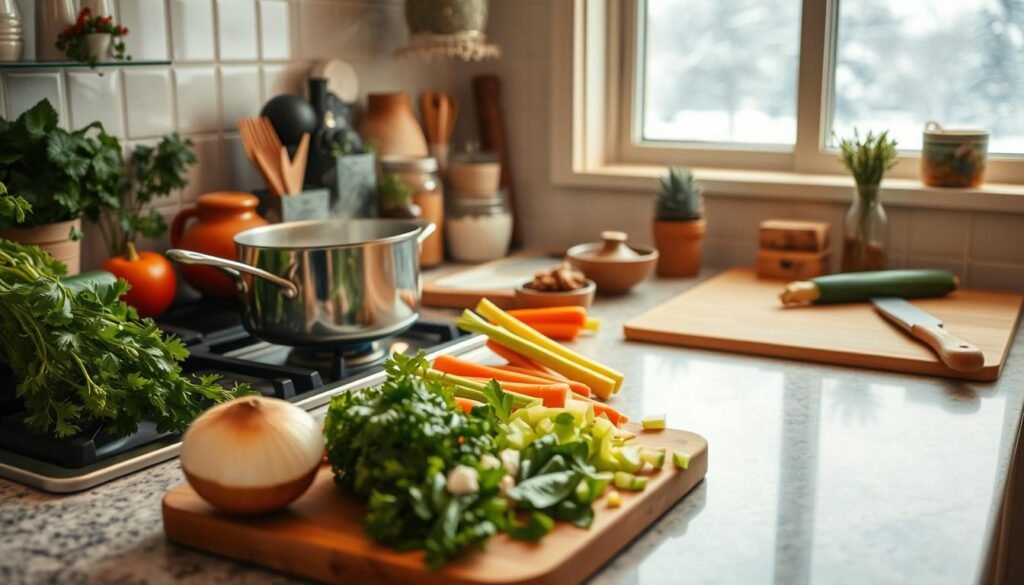
Making the perfect homemade soup can be tough, even for experts. Many people make mistakes that hurt the flavor and quality of their soup.
To make a delicious homemade soup, it’s key to avoid common mistakes. Let’s look at the most common errors that can ruin your soup.
- Oversalting: Too much salt is the biggest mistake in soup making. Start with a little salt and taste as you go.
- Overcooking vegetables: They lose nutrients and get mushy if cooked too long.
- Skipping the taste test: Always taste your soup while cooking to adjust the seasonings.
Getting your soup recipe right needs focus and knowing how ingredients work together. Some big mistakes can make a good soup turn bad.
| Mistake | Consequence | Solution |
|---|---|---|
| Using cold stock | Uneven cooking | Warm stock before adding to soup |
| Incorrect cutting techniques | Uneven cooking times | Cut vegetables into uniform sizes |
| Not developing flavor | Bland soup | Sauté aromatics before adding liquid |
Professional chefs say a great homemade soup needs patience and skill. By avoiding these mistakes, you’ll improve your soup-making and make tastier meals.
Garnishing and Serving Suggestions
Adding the perfect touches can make your homemade soup stand out. A beautifully presented soup can turn a simple meal into a feast for the senses.
The way you present your soup is just as important as its taste. The right garnishes and sides can make your soup a memorable experience.
Perfect Complementary Side Dishes
Choosing the right sides can make your meal complete. Here are some classic pairings:
- Crusty artisan bread for dipping
- Crisp green salad with light vinaigrette
- Grilled cheese sandwich
- Garlic breadsticks
Creative Soup Toppings
Try these exciting garnishes to elevate your soup:
- Fresh herbs like chopped parsley or cilantro
- Crispy croutons
- Drizzle of high-quality olive oil
- Toasted nuts or seeds
- Dollop of sour cream or Greek yogurt
Presentation Tips
Make your soup look as good as it tastes with these tips:
- Use white or neutral-colored bowls to highlight soup colors
- Garnish just before serving to maintain texture
- Create height and contrast with toppings
“A feast for the eyes is a feast for the stomach” – Culinary Wisdom
The secret to a great soup is in how you present it. Let your creativity show in every bowl you serve!
Conclusion
Making homemade soup is more than just cooking. It’s an art that lets you explore endless flavors. Your soup can turn simple ingredients into a meal that warms your heart and body. Easy soup recipes make it easy for anyone to cook delicious, comforting dishes.
In this guide, you learned how to make your soup stand out. You now know how to prepare stocks and pick the best ingredients. This knowledge lets you make soups that are not only tasty but also healthy and unique.
Homemade soup is incredibly versatile. It’s perfect for a quick dinner or a big weekend meal. With practice, you’ll get better at cooking and enjoy every moment in the kitchen.
Start making soup with excitement. Your new skills will give you tasty meals and create special moments with family and friends. Dive into the world of homemade soups and enjoy every step of the way.